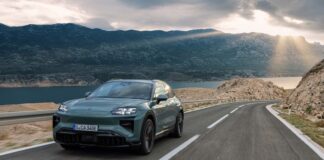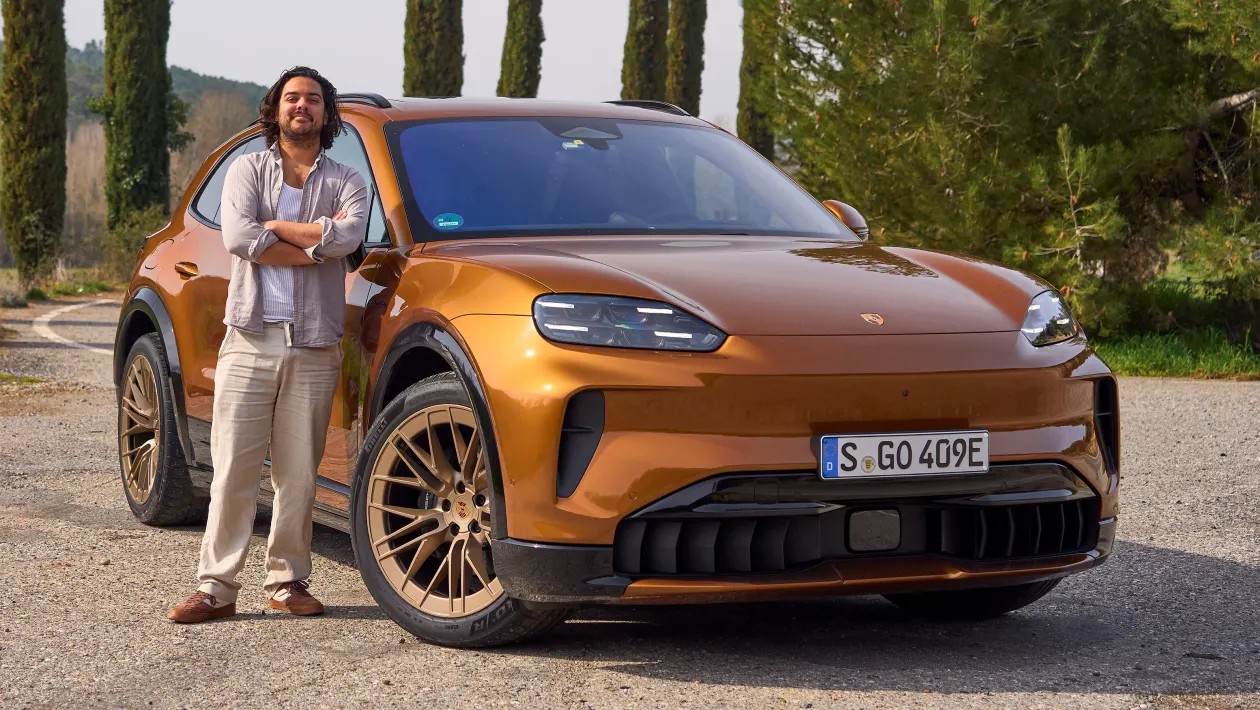
Porsche has successfully translated its performance DNA into an all-electric SUV, delivering a 2.7-tonne vehicle that accelerates, handles, and brakes with remarkable precision. The Cayenne Electric is a compelling daily driver, combining desirability with competitive range and charging capabilities, though some efficiency may have been sacrificed in pursuit of high performance that many owners may not fully utilize.
The Evolution of a Performance Icon
The Porsche Cayenne, since its 2002 debut, has set the standard for luxury performance SUVs. Traditionally offered with petrol and hybrid engines, the all-electric variant marks a significant departure. Initially intended as a direct replacement for the internal combustion model, the EV now coexists as a “technical flagship” due to slower-than-expected EV adoption.
The Cayenne Electric must balance multiple roles: family transport, luxury cruiser, high-performance machine, and even off-road capability. Porsche has equipped it with cutting-edge technology, particularly in the Turbo variant, creating a complex yet surprisingly cohesive machine.
Pricing and Options
The Cayenne Electric starts at £83,200, with a generous standard equipment list including matrix LED headlights, heated electric seats, a curved touchscreen, and dual-zone climate control. Upgrading to 21- or 22-inch wheels is advisable given the vehicle’s size. The Cayenne S Electric costs £99,900, while the Turbo commands £130,900. Additional features such as heated interior surfaces and a passenger screen are available as optional extras.
Driving Dynamics: Poise and Precision
The Cayenne Electric’s defining trait is its driving experience. The optional rear-wheel steering, while not entirely new to Porsche, introduces unprecedented angles for enhanced agility. The steering lacks the crisp feedback of other Porsche models but remains accurate and well-weighted.
The air suspension provides a refined ride, absorbing road imperfections with sophistication. Refinement is exceptional, particularly with the optional double glazing. Powertrain response is immediate, offering ample power for overtaking, with drive modes adjusting to suit different conditions.
Braking performance is generally excellent, leveraging regenerative braking for efficiency. However, high-speed braking can feel slightly clumsy as the friction brakes engage.
Performance Figures
Base models offer “adequate” performance, but the Cayenne Electric excels in handling given its size. The Turbo variant delivers exceptional performance, with the base model accelerating from 0-62 mph in 4.8 seconds. Torque is significantly higher than the petrol equivalent, providing instant responsiveness.
The 113kWh battery and dual electric motors deliver 402bhp (with a 435bhp overboost). While not the fastest Porsche SUV, it outperforms the base petrol model in acceleration.
Urban and Rural Driving
In city environments, the Cayenne Electric navigates tight roads with ease, thanks to precise steering and responsive throttle. Visibility is good, with camera views assisting parking maneuvers.
On country roads, the chassis control is impressive, maintaining balance despite the vehicle’s weight. The suspension filters out harshness, providing a comfortable ride while maintaining control through corners. The rear-biased twin-motor layout adds dynamism, setting it apart from other large electric SUVs.
Long-Distance Comfort
The Cayenne Electric is surprisingly comfortable on motorways, with stable high-speed handling and effective noise suppression. The optional laminated windows further enhance cabin quietness.
Range and Charging
The Cayenne Electric offers a maximum range of 399 miles, though real-world figures are closer to 350 miles with larger wheels. The 400kW charging capability allows for a 10-80% recharge in just 16 minutes. Porsche prioritizes driving experience over extreme efficiency, resulting in average miles/kWh figures.
Interior and Technology
The Cayenne Electric’s interior features high-quality materials, a curved display setup, and advanced luxury options such as heated surfaces and a panoramic roof with switchable transparency. The driving position is adjustable, and rear legroom has been improved compared to the ICE model.
Infotainment is intuitive, with a configurable touchscreen interface. The cabin design is modern, though some may find it screen-heavy.
Running Costs and Depreciation
The Cayenne Electric offers competitive running costs, but depreciation remains a factor. The stabilization of second-hand EV values due to fuel security concerns may mitigate this risk. Road tax is £620 per year, and BiK rates are favorable for electric vehicles.
Conclusion
The Porsche Cayenne Electric successfully combines performance, luxury, and practicality in an all-electric package. While efficiency may not be its primary focus, its driving dynamics, technology, and build quality make it a compelling choice for those seeking a high-performance SUV that also happens to be electric. ⚡️