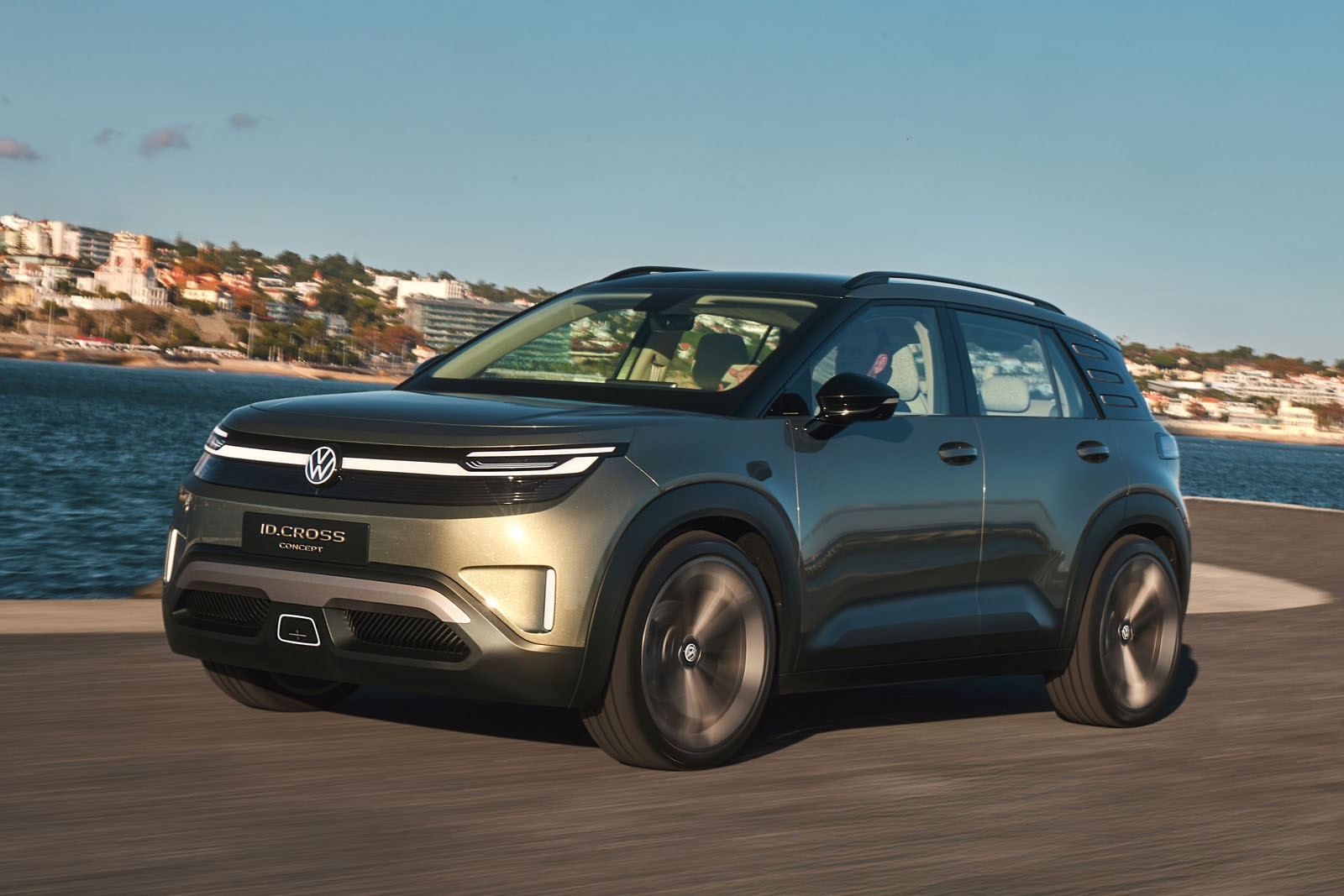
Volkswagen is gearing up to launch the ID Cross next year, the second in its line of compact, affordable electric vehicles. Recent testing of an early prototype reveals key changes from VW’s current EV lineup, marking a shift in design and usability.
Distinct Design for a New Generation
While the ID 3, ID 4, and ID 5 share a similar aesthetic, the ID Cross—along with its upcoming ID Polo variant—will feature more unique visual identities. According to VW designer Thorben Kochs, the goal is to create a design that feels “super stable and clean,” aiming for an approachable and friendly image. This means a departure from the closely related looks of existing VW EVs.
Return to Physical Controls
In response to customer feedback, Volkswagen is reintroducing physical controls in the ID Cross. Unlike the touch-sensitive interfaces in some current models, the ID Cross will feature traditional door handles, dedicated window switches, physical climate controls, and buttons on the steering wheel. This adjustment shows VW is listening to complaints about usability and practicality.
Interior Quality and Materials
Early prototypes showcase high-quality interior materials, though production versions will likely be toned down to maintain affordability. Kochs emphasized that the final design will prioritize “softer, high-value materials” over excessive plastic, acknowledging the importance of tactile quality.
Practicality and Space
The ID Cross benefits from its front-motor configuration, offering increased cargo space in the boot. This design choice maximizes practicality, a key consideration for crossover buyers.
The ID Cross represents a course correction for VW’s EV strategy, blending affordability with improved usability and a more distinct design language. The return to physical controls and focus on interior quality indicate VW is taking customer feedback seriously as it expands its electric lineup.