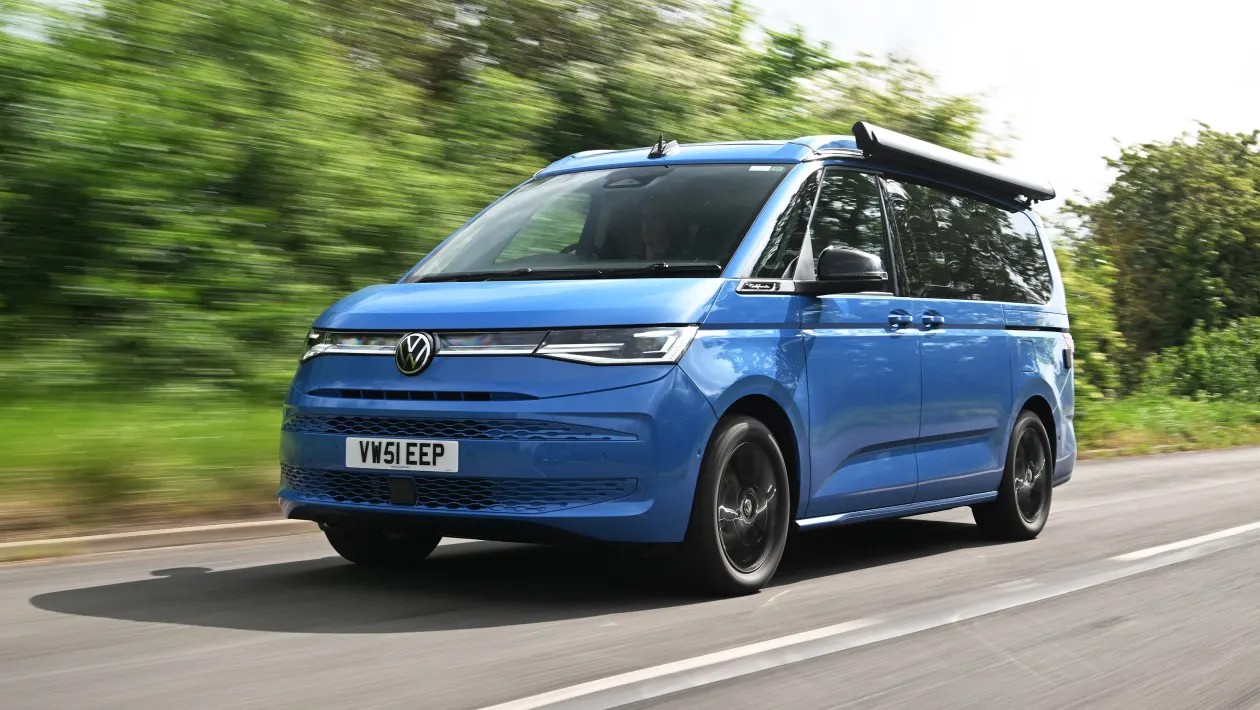
The era of diesel dominance in the camper van market is drawing to a close. Volkswagen’s latest move is the California eHybrid, a plug-in hybrid version of its popular seventh-generation camper. This model offers a glimpse into the future of electric camping: quiet, low-emission local travel paired with the range flexibility of a petrol engine.
However, the transition is not without compromise. While the eHybrid excels in short-range efficiency and off-road capability, it remains a niche choice for those who prioritize long-distance touring or budget-friendly ownership. It is a sophisticated machine, but whether it is the right choice depends entirely on your driving habits.
Why This Matters: The End of the Diesel Age?
For decades, diesel has been the undisputed king of campervans due to its torque, fuel economy, and towing capacity. The arrival of the California eHybrid signals a broader industry shift toward electrification, even in segments where batteries have traditionally struggled.
This model raises important questions for eco-conscious travelers:
* Can a hybrid offer the best of both worlds (EV convenience + ICE range)?
* Is the premium price justified by fuel savings and environmental benefits?
* How does the added weight and complexity affect the driving and living experience?
Powertrain and Performance: Quiet Start, Clunky Transition
The California eHybrid pairs a familiar 1.5-litre four-cylinder petrol engine with a 19.7kWh high-voltage battery and two electric motors. This setup provides all-wheel drive (4Motion), making it the only California variant capable of handling slippery or muddy terrain—a key selling point for adventurous campers.
Key Driving Characteristics:
* Electric-First Operation: The van starts silently, allowing for discreet, low-speed maneuvers around campsites at night without disturbing neighbors.
* Real-World Range: VW claims a zero-emission range of 52 miles. In testing, this figure proved accurate, even during sustained high-speed driving. Once the battery is depleted, fuel economy drops to approximately 38–40 mpg at steady cruising speeds.
* Charging Speed: The system supports DC rapid charging, reaching 80% capacity in just 26 minutes. A standard 7kW home wallbox takes about three hours for a full charge.
* Refinement Issues: The transition between electric and petrol power can be abrupt. When the battery is low and extra power is needed (e.g., exiting junctions), the petrol engine kicks in suddenly, causing revs to spike. This lack of seamless integration makes the drive less “cultured” than some competitors.
Interior and Living Space: Familiar Comfort, Minor Quirks
Visually and structurally, the eHybrid is nearly identical to its petrol and diesel siblings. The exterior reveals its hybrid nature only through a fuel filler cap on the front wing and specific badging. Inside, the layout remains unchanged across Beach, Coast, and Ocean trims.
Living Features:
* Kitchen and Storage: The left-hand side houses a kitchen unit with cupboards and a pull-out fridge accessible from both sides. Storage space is ample, though the rear under-floor area is now occupied by charging cables in the eHybrid.
* Seating and Sleeping: The front seats rotate 180 degrees for dining. The rear seats slide independently and can be removed for cargo space. Two beds are included: a lower cabin bed and an electrically powered pop-top roof bed.
* Design Flaw: When the rear seats are pulled forward for comfort or extra boot space, the window-level cup holders become inaccessible—a minor but noticeable ergonomic oversight.
Trims:
* Beach: Five seats, no kitchen or cupboards.
* Coast: Best value option, including kitchen, three-zone climate control, and electric roof.
* Ocean: Top-spec luxury with matrix-LED lights, sat-nav, and ambient lighting.
Ride Quality and Handling: Brittle but Capable
Driving the California eHybrid feels similar to other seventh-generation models, with a commanding view of the road and comfortable, supportive front seats. The steering is well-weighted, and handling is acceptable for a vehicle of this size.
However, the ride quality has a notable flaw: brittleness. The large, open shell of the camper is susceptible to bumps and potholes. The rear cabin rattles noticeably, especially when cupboards are filled with crockery and kitchen equipment. While not unsafe, this lack of refinement can be fatiguing on long journeys over poor roads.
Verdict: Is the Premium Worth It?
The Volkswagen California eHybrid is a compelling but imperfect solution for modern campers. It successfully lowers the carbon footprint for local trips and offers unique all-wheel-drive capability. However, it comes with a £5,000 premium over the equivalent front-wheel-drive petrol model.
Who Should Buy It?
* Drivers who primarily make short trips and can keep the battery charged.
* Those who need all-wheel drive for off-road or slippery conditions.
* Eco-conscious buyers willing to pay more for lower emissions and quiet electric operation.
Who Should Look Elsewhere?
* Long-distance travelers who frequently exceed the 52-mile electric range.
* Budget-conscious buyers, as the diesel version remains more frugal for highway cruising.
* Those seeking a smoother, more refined driving experience.
The California eHybrid is a taste of electric camper life without the range anxiety of a full EV. But for now, it remains a specialist tool rather than a universal replacement for the diesel standard.