After decades of financial instability and several brushes with bankruptcy, the storied British sports car manufacturer Marcos is attempting a significant comeback. Under new leadership, the brand aims to transition from a struggling niche builder into a viable, modern automotive player.
A Legacy Reclaimed
Marcos is a brand with nearly 70 years of history, though it has long been overshadowed by larger manufacturers. Its survival has been precarious, marked by multiple periods of insolvency. However, the company’s recent trajectory has changed following a strategic acquisition by Howard Nash.
Nash has not just purchased the brand name; he has secured the full legal rights to the Marcos assets, including the original logo and the historical build records for nearly 4,000 vehicles. This archive is a critical asset, allowing the company to offer restoration services and authentic parts for vintage models, providing a foundation of brand loyalty and revenue.
From Prototypes to the Pavement
The revival strategy appears to be moving in two distinct directions: testing lightweight performance and developing a new road-going platform.
The “Mosquito” Testbed
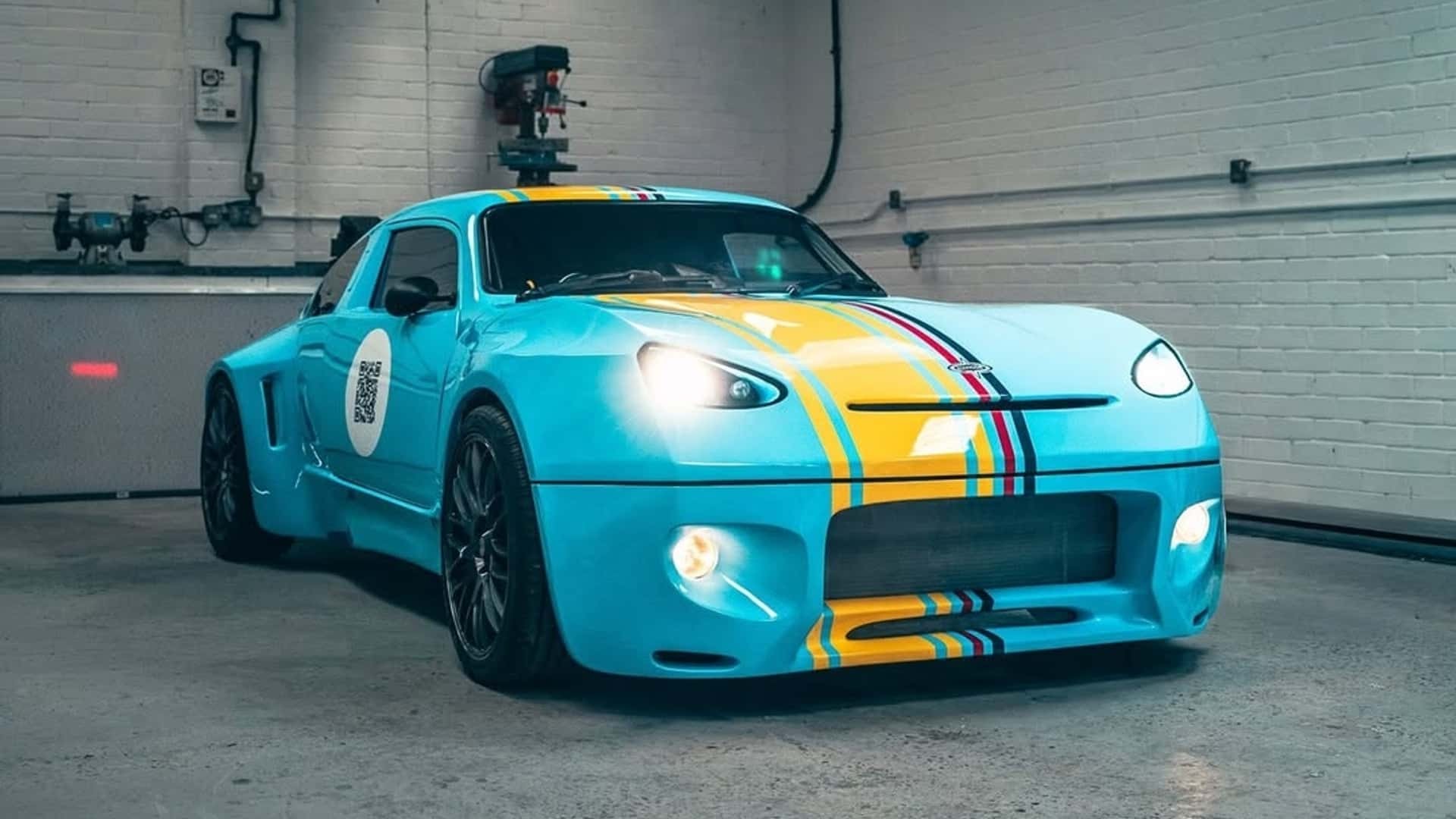
The first glimpse of the new Marcos is a prototype known as the Mosquito. This vehicle serves as a high-performance testbed designed to refine the brand’s driving dynamics.
– Performance: Approximately 300 horsepower.
– Weight: Roughly 1,500 lbs.
– Engineering: Built using components from the Mini, including the suspension, engine, and gearbox.
Initial feedback on the Mosquito has been overwhelmingly positive. Consequently, the company is considering releasing it as a limited-run track car, a move that would mirror the aesthetic of the classic Mini Marcos while offering modern performance.
The New Mid-Engine Vision
Beyond the track-focused Mosquito, Nash is developing a dedicated road car intended for a broader enthusiast market.
– Configuration: A mid-engine sports car.
– Specs: Approximately 250 hp and a weight of roughly 1,400 lbs.
– Timeline: A debut is anticipated before the end of this year.
A Sustainable Business Model?
Unlike many boutique manufacturers that focus solely on new sales, the new Marcos is positioning itself as a multi-faceted engineering firm. With a staff of approximately 46 employees, the company’s business plan includes:
– New Vehicle Production: Both road-going and track-focused models.
– Engineering Services: Utilizing their technical expertise for third-party projects.
– Heritage Support: Restoring classic models and supplying parts using their extensive historical records.
This diversified approach is a strategic response to the volatility of the niche sports car market. By combining new manufacturing with heritage services, Marcos seeks to create a more stable financial ecosystem.
The success of this revival depends on whether Marcos can successfully bridge the gap between its nostalgic heritage and the technical demands of modern driving enthusiasts.
In summary, Marcos is attempting to leverage its historical prestige and a new, lightweight engineering philosophy to transform from a struggling legacy brand into a diversified, modern sports car manufacturer.