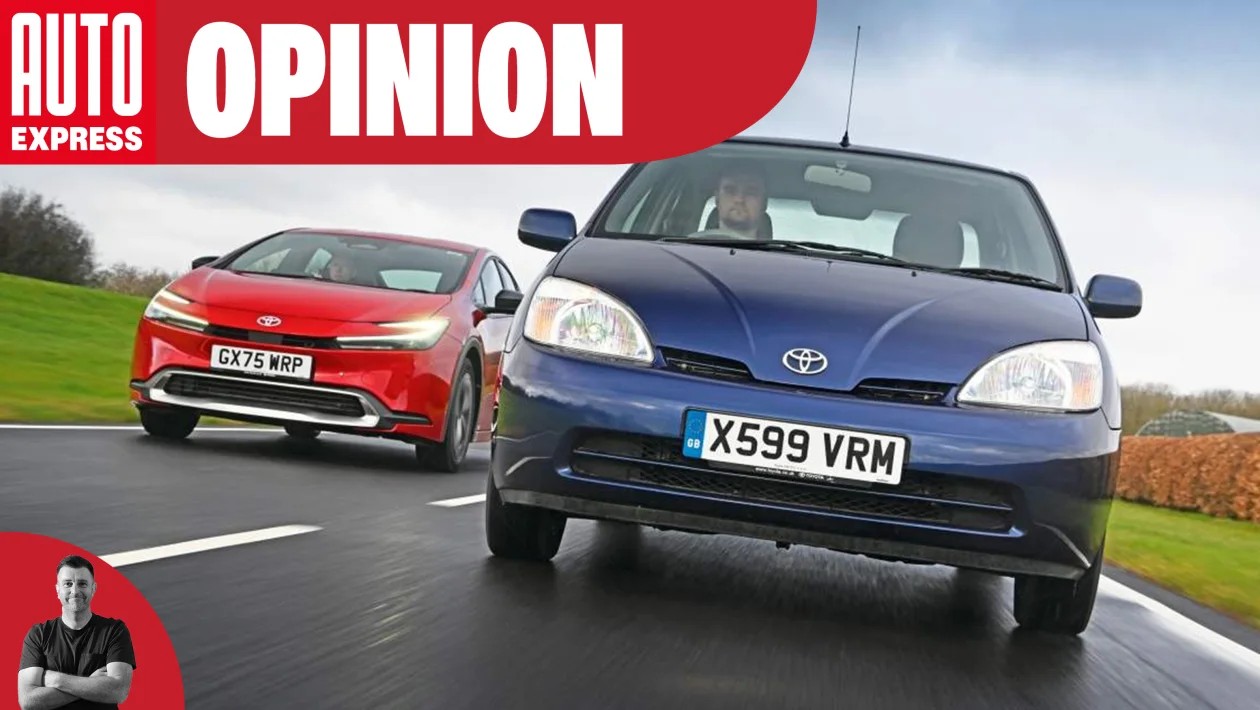
The Toyota Prius has been named the most influential modern car of the last 30 years by Auto Express, beating out competitors like the BMW MINI and Tesla Model S. This decision, while controversial, underscores a fundamental shift in the automotive industry: the rise of electrification.
Why the Prius Matters
The selection criteria focused on cars available after the year 2000, excluding older classics. The goal was to identify vehicles that defined recent automotive trends. While many manufacturers focused on optimizing diesel engines, Toyota took a bold gamble on hybrid technology in 1997. This foresight proved crucial, as the Prius effectively paved the way for the mainstream adoption of electric vehicles.
A Quiet Revolution
The Prius may not be a driver’s car, but its impact is undeniable. Unlike flashy competitors, it quietly demonstrated the viability of hybrid technology, forcing other automakers to follow suit. This isn’t just about fuel efficiency; it’s about a fundamental change in how cars are designed, manufactured, and perceived. The Prius’ success shows that sometimes the most influential innovations aren’t the most glamorous.
Industry Backlash and Lasting Legacy
The decision to rank the Prius as the most important modern car has sparked debate, even attracting criticism from personalities like Jeremy Clarkson. However, the core argument remains: the Prius didn’t just sell cars; it changed the industry. It proved that hybridization was a viable path forward, shaping the market for decades to come.
The Toyota Prius’ influence extends beyond sales figures. It represents a pivotal moment where the automotive industry began to seriously embrace electric technology, setting the stage for today’s EV revolution.