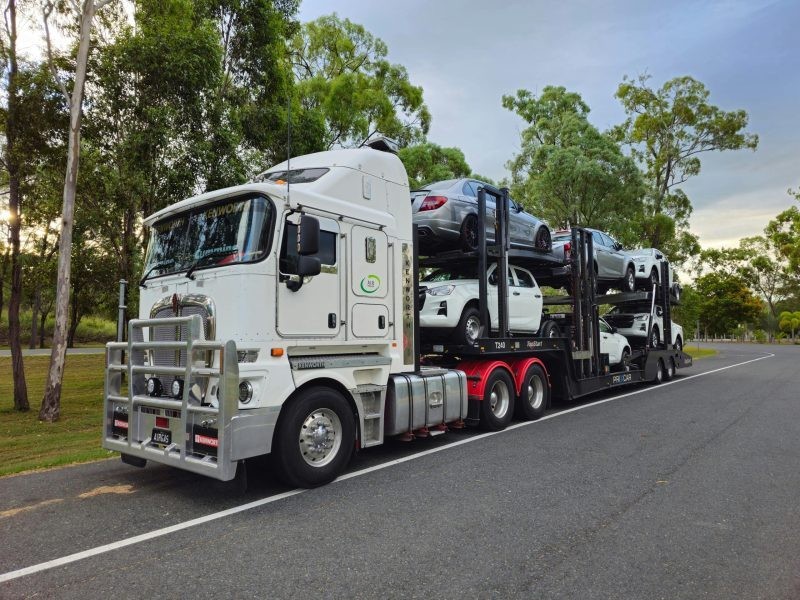
When moving a vehicle across the country—whether due to a relocation, an online purchase, or a long-distance sale—choosing the right method of transit is critical. Among the various options available, open transport remains the most widely used method for standard vehicle relocation.
What is Open Transport?
Open transport involves moving vehicles on multi-car trailers that are exposed to the elements. If you have ever seen a large truck on the highway carrying a fleet of brand-new cars destined for a dealership, you have seen open transport in action.
This method is defined by its efficiency and cost-effectiveness. By grouping multiple vehicles on a single trailer, carriers can offer much more competitive pricing than specialized or single-car services, making it the go-to choice for the average driver.
How the Process Works
The logistics of open transport are designed to be streamlined and predictable. The typical lifecycle of a shipment follows these steps:
- Quoting and Booking: The process begins with the customer providing details such as vehicle type, pickup/destination locations, and desired timelines to receive a price estimate.
- Scheduling: Once a carrier is selected and the booking is confirmed, a specific pickup date is set.
- Loading and Inspection: The driver arrives at the origin point, performs a preliminary inspection of the vehicle, and secures it onto the open trailer.
- Transit: The vehicle travels along a predetermined route, often alongside several other cars.
- Delivery: Upon arrival, the vehicle is unloaded, undergoes a final inspection, and is handed over to the recipient.
Weighing the Pros and Cons
Deciding on open transport requires a clear understanding of the trade-offs between cost and protection.
The Advantages
- Affordability: Because it is a high-capacity method, it is significantly cheaper than enclosed shipping.
- Accessibility: There is a higher frequency of available carriers, meaning shorter wait times and more flexible scheduling.
- Reliability: It is a proven, industry-standard method for moving daily drivers.
The Disadvantages
- Environmental Exposure: Because the car is not shielded, it is subject to rain, dust, sunlight, and road debris (such as pebbles or salt) during the journey.
- Lower Security for High-Value Assets: While damage is uncommon, the lack of a physical barrier makes it less ideal for vehicles that require maximum protection.
Open vs. Enclosed Transport: Which Should You Choose?
The decision usually comes down to the value and nature of the vehicle.
| Feature | Open Transport | Enclosed Transport |
|---|---|---|
| Cost | Budget-friendly | Premium pricing |
| Protection | Exposed to elements/debris | Fully shielded |
| Best For | Daily drivers, standard SUVs, commuters | Luxury cars, classics, high-end collectibles |
| Availability | High | Limited/Specialized |
The Bottom Line: If you are moving a standard vehicle where minor environmental exposure is acceptable, open transport is the logical choice. If you are transporting a vintage masterpiece or a high-value supercar, the extra cost of enclosed transport is a necessary investment in peace of mind.
Pro-Tips for a Seamless Experience
To minimize risks and ensure the process goes smoothly, follow these best practices:
- Clean the Vehicle: A clean car makes it much easier for both you and the driver to identify any pre-existing scratches or dents during inspection.
- Document Everything: Take high-resolution photos of the car from all angles immediately before the driver loads it. This serves as your primary evidence if a dispute arises.
- Clear Out Personal Items: Most carriers prohibit personal belongings inside the vehicle to prevent theft and reduce weight/liability.
- Maintain Flexibility: Being flexible with your pickup and delivery windows can often result in lower shipping rates.
Conclusion
Open transport is a highly efficient and economical solution for the majority of vehicle relocation needs. While it lacks the total environmental shielding of enclosed transport, its balance of speed and price makes it the most practical choice for standard automotive transit.