The transition to electric vehicles (EVs) is doing more than just changing how cars are powered; it is fundamentally altering how they are shaped. As manufacturers move toward dedicated electric platforms, the traditional proportions that have defined automotive design for a century are being challenged.
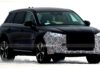
BMW is currently at the center of this design tug-of-war. The upcoming i3 Sedan, built on the new Neue Klasse architecture, has already ignited intense debate among enthusiasts. While the sedan aims to complement the classic 3 Series, its new electric-first proportions have left many critics divided.
The Design Dilemma: Proportions vs. Tradition
The controversy surrounding the i3 Sedan stems from a shift in geometry. Traditional BMW design relies on specific hallmarks: a long hood, a set-back cabin, and a balanced “axle-to-dash” ratio. However, because the i3 is built on a front-drive-biased electric platform, it adopts a more upright, compact stance. While functional, this can sometimes feel less “athletic” than the petrol-powered models fans have loved for decades.
To explore how BMW might solve these aesthetic tensions, we have envisioned a speculative i4 Coupe —a two-door interpretation that prioritizes style and dynamism over the sedan’s utilitarian focus.
Refining the Silhouette
Rather than following the sedan’s upright posture, our conceptual i4 Coupe focuses on visual flow :
– Lowered Roofline: A sleeker profile that emphasizes speed.
– Shark-Nose Facia: A more aggressive, forward-leaning front end to mitigate the “nose-heavy” look of the sedan.
– Enhanced Depth: Replacing flat surfaces with 3D lighting signatures in the grille to avoid visual distortion.
– Muscular Rear: Wider haunches and a ducktail spoiler to provide a sense of grounded stability.
A Driver-Centric Cabin
The Neue Klasse philosophy introduces a radical shift in interior design, characterized by the massive Panoramic IDrive display. While the i3 Sedan leans heavily into digital, touch-sensitive interfaces, a performance-oriented i4 Coupe would likely demand a different approach.
In this concept, we move away from the “all-screen” trend in favor of:
* Tactile Controls: Reintroducing physical buttons for essential functions to reduce driver distraction.
* Driver-Oriented Layout: Angling the dashboard toward the cockpit to enhance the feeling of being “in” the car rather than just “on” it.
* Practicality: Utilizing a 2+2 seating arrangement while maintaining the sedan’s 114.1-inch wheelbase to ensure enough legroom for passengers.
Performance and the 800-Volt Era
The technical backbone of this concept would be BMW’s sixth-generation eDrive system. This represents a significant leap in EV technology, moving toward an 800-volt architecture and the use of cylindrical battery cells.
Projected Specifications:
- Range: A usable battery capacity of 75–90 kWh, targeting approximately 600 km (440 miles) of range.
- Power: A dual-motor i4 50 xDrive could deliver upwards of 463 hp, while a high-performance i4M variant could theoretically reach near 1,000 hp using a quad-motor setup.
- Handling: By prioritizing a rear-wheel-drive bias and a near 50:50 weight distribution, the coupe would offer a much sharper driving experience than the standard sedan.
The Road Ahead
While BMW has not officially confirmed a two-door i4 Coupe, the move toward the Neue Klasse makes various body styles almost inevitable. As the brand navigates the difficult balance between electric efficiency and iconic design, the market will likely see a variety of experiments in how a “BMW” should look and feel.
The debate over the i3 Sedan highlights a broader industry struggle: how to embrace the radical new shapes of electric platforms without losing the soul of classic automotive design.