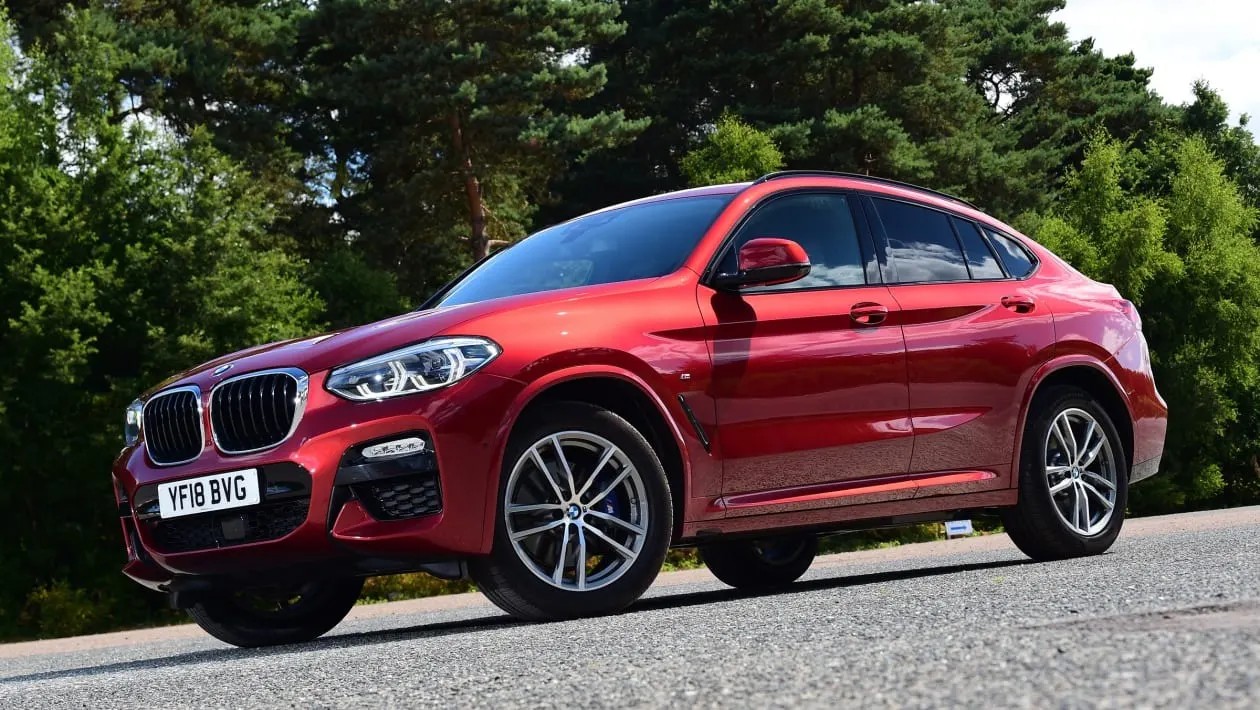
The BMW X4 occupies a unique, somewhat paradoxical space in the automotive market. On paper, it is a less “rational” choice than its sibling, the X3; it offers less cargo space, fewer engine options, and a more restrictive roofline. However, BMW has mastered the art of selling emotion. By blending the rugged stance of an SUV with the sleek silhouette of a coupé, the X4 appeals to drivers who prioritize aesthetics and driving dynamics over pure utility.
If you are looking for a premium vehicle that feels more athletic and “special” than a standard family SUV, the X4 is a compelling contender.
The Evolution of the X4
BMW has a history of defining new market niches, notably with the luxury SUV segment via the X5 and the “Sports Activity Coupé” segment with the X6. The X4 was born from this success, launched in 2014 to provide a more compact, accessible version of the X6 concept.
The Mk2 generation (2018–2025) represents the most refined iteration of this formula. A significant facelift in late 2021 updated the interior technology and boosted the power output for several diesel models, ensuring the car remained competitive against evolving rivals.
Performance and Engine Options
When buying used, your choice of engine will define your driving experience and your wallet’s health.
- The Diesel Workhorses: For those covering high mileage, the diesel engines are the most sensible choice. The xDrive30d (six-cylinder) and M40d offer immense low-down torque, making the car feel effortless and powerful.
- The Petrol Enthusiast: The M40i and the high-performance X4 M Competition (503bhp) are superb for driving enthusiasts, offering much more visceral engagement than the diesel variants.
- The Efficiency Gap: It is worth noting that while the X3 benefited from plug-in hybrid updates during the Mk2’s lifespan, the X4 did not receive a hybrid option, leaving a gap for eco-conscious buyers.
Interior, Practicality, and Trim Levels
The X4’s cabin is widely regarded as one of the best in its class, characterized by high-quality materials and intuitive ergonomics.
Trim Breakdown
- Sport: The entry point, featuring 18-inch alloys, adaptive LED headlights, and an 8.8-inch touchscreen.
- M Sport: A popular middle ground with 19-inch rims, sport seats, and a larger 12.3-inch touchscreen.
- M Sport X: The premium tier, adding a panoramic glass roof and high-beam assist.
The Trade-off: Style vs. Space
While the driver enjoys a premium cockpit, passengers should be aware of the “coupé” compromise. The sloping roofline significantly reduces rear headroom and limits the boot capacity. You can expect 525 litres of space with the seats up, which is respectable, but it won’t match the boxier, more utilitarian X3.
Ownership: Maintenance and Reliability
BMW utilizes Condition-Based Servicing, meaning the car monitors its own wear and tells you when it needs attention. This prevents unnecessary maintenance but can make budgeting slightly unpredictable.
- Routine Costs: Expect an oil and filter change to cost roughly £245–£270. More comprehensive services involving filters can rise to nearly £480.
- Reliability Watch: Potential buyers should check the service history for any involvement in BMW’s various recalls. The Mk2 has seen recalls related to transmission glitches, steering issues, and EGR valve problems (which can cause engine fires). Always verify that all software and hardware updates have been completed.
Market Alternatives
If the X4 doesn’t quite hit the mark, consider these rivals:
* BMW X3: The logical choice if you need more space and better value.
* Mercedes GLC Coupé: A direct competitor offering a highly tech-focused interior and excellent build quality.
* Audi Q5 Sportback: A strong alternative that offers plug-in hybrid technology, which the X4 lacks.
The Bottom Line: The BMW X4 is a driver-focused luxury SUV that trades a degree of practicality for striking design and superior handling. It is an ideal choice for those who want a premium feel and “curb appeal” without the bulk of a full-sized SUV.