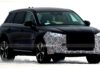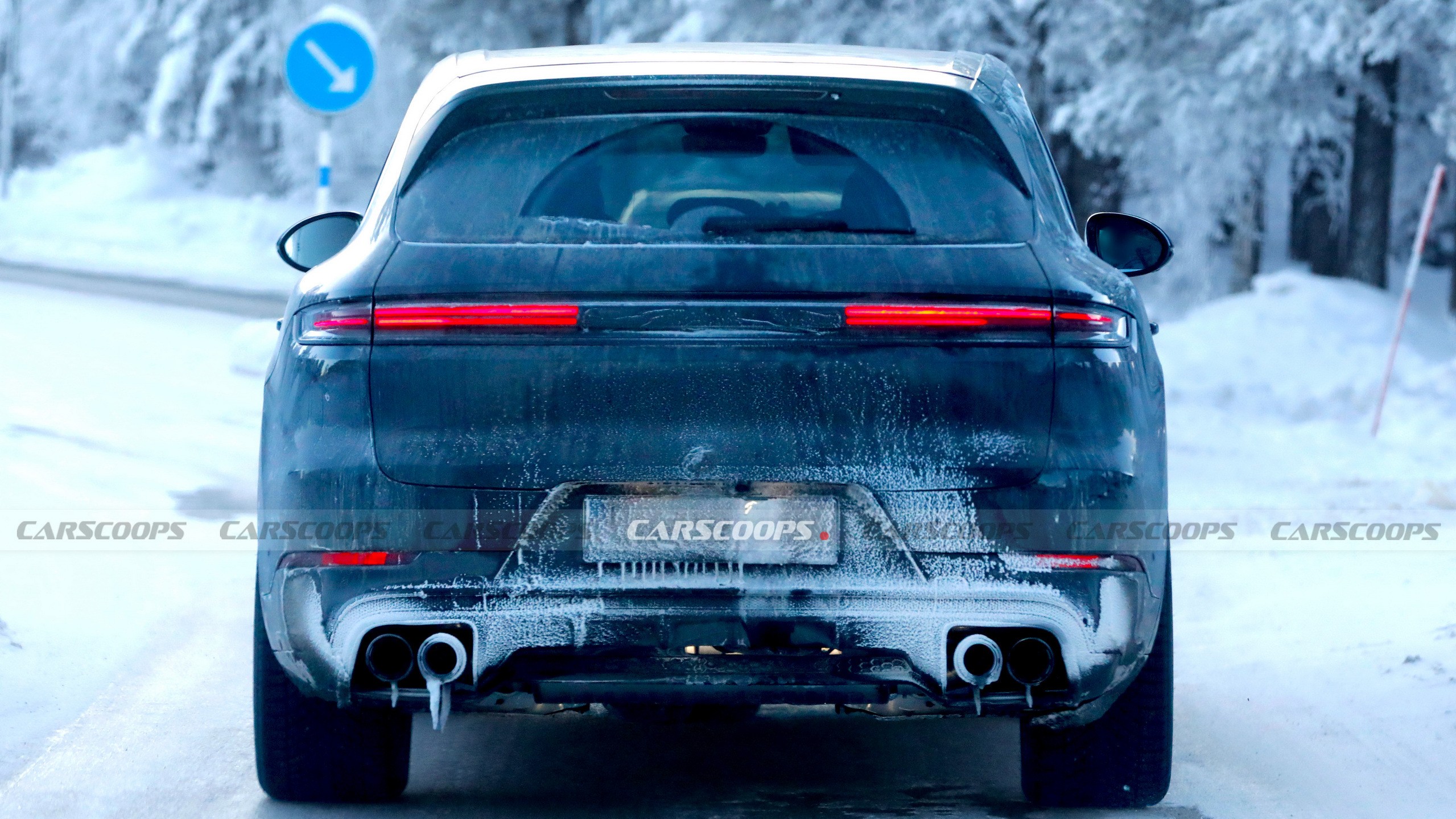
Porsche continues to invest in internal combustion engine (ICE) versions of the Cayenne even as it expands its electric lineup. Recent spy shots reveal a facelifted prototype undergoing winter testing, suggesting the company isn’t abandoning traditional powertrains just yet.
Design Tweaks Focus on Front and Rear
The most visible changes are concentrated on the front fascia, borrowing design cues from the updated 911. Angular fins now flank the outside air intakes, a stylistic shift aimed at modernizing the vehicle’s appearance. New vertical lights replace horizontal indicators at the edges of the intake, doubling as turn signals and daytime running lights. The headlights also receive minor revisions, though heavy camouflage obscures the exact details.
At the rear, the taillights feature a wider lower band, and the “PORSCHE” lettering appears to be undergoing an update as well. These modifications suggest Porsche is refining the look of the ICE Cayenne without a complete overhaul.
Interior and Engine Options: Minor Updates Expected
Although spy photographers haven’t captured the interior, it’s likely to receive updates to the infotainment system. Engine choices will probably mirror the current range, which includes both standard combustion and hybrid options.
Porsche has stated its intention to simplify future product lines, but the extent of any cuts to the Cayenne lineup remains unclear. Currently, the US market offers six distinct Cayenne models (excluding the Coupe variants).
Powertrain Choices Span Performance Levels
The Cayenne’s engine options range from a turbocharged 3.0-liter V6 producing 348 horsepower in the base model, to a high-performance plug-in hybrid powertrain in the Turbo E-Hybrid delivering a combined 729 horsepower. This broad spectrum ensures the ICE Cayenne continues to cater to a wide range of buyers despite Porsche’s increasing focus on electric vehicles.
The facelifted Cayenne is expected to arrive with subtle yet noticeable improvements, keeping the ICE version competitive while Porsche navigates the transition to an electric future.