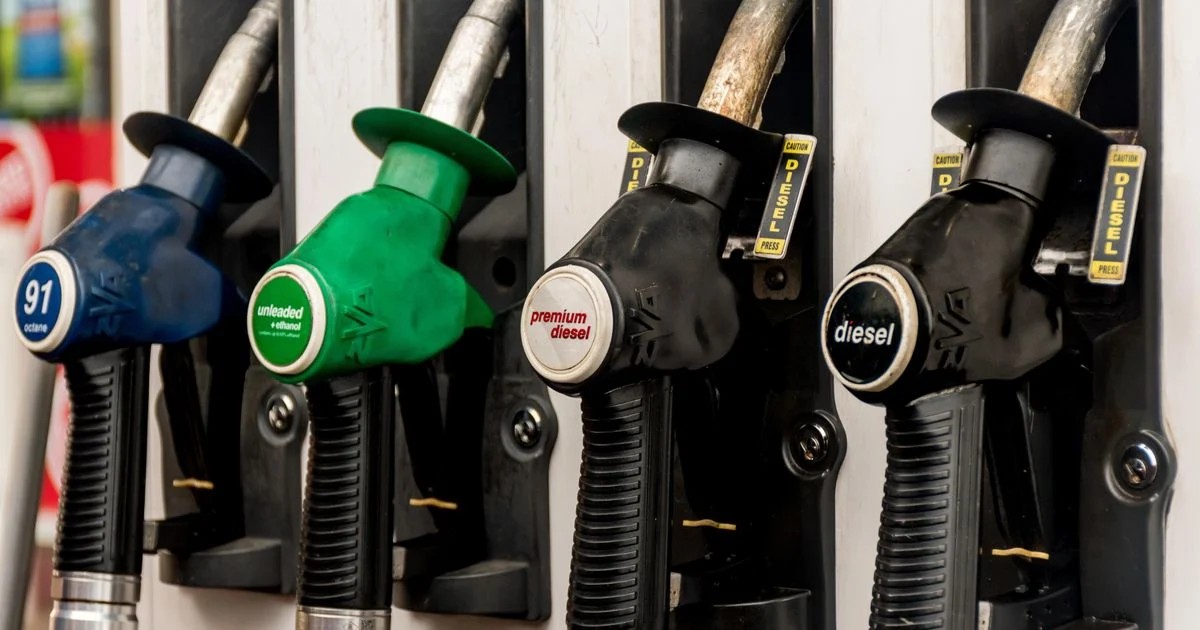
The Australian Competition and Consumer Commission (ACCC) has demanded transparency from fuel retailers across the country following significant and rapid increases in petrol and diesel prices. The move comes amid growing consumer frustration and concerns about potential price gouging, particularly in the wake of recent geopolitical instability in the Middle East.
ACCC Investigation Launched
Between February 20 and March 11, 2026, fuel prices rose dramatically in Australian capital cities, often matching the speed of wholesale price increases. The ACCC’s first weekly pricing update since the escalation of the conflict revealed that retail prices had outpaced international oil price movements, prompting the watchdog to question retailers’ behavior.
The ACCC is explicitly warning companies against misleading consumers about the reasons behind these steep increases or violating competition laws. Major fuel providers, including Ampol, BP, Chevron, and others, have been contacted for urgent explanations. Further clarification will be sought in a meeting with industry participants next week.
Concerns Over Pricing Practices
ACCC Commissioner Anna Brakey emphasized the need for fuel companies to be “open and honest.” The commission is particularly concerned about retailers who appear to have increased pump prices immediately, even on fuel purchased before the conflict at lower wholesale rates.
This suggests that some companies may have exploited the situation to maximize profits rather than pass on costs fairly to consumers. The ACCC expects fuel retailers to explain these discrepancies to both the commission and the public.
Regional Supply Concerns Add Complexity
Beyond price hikes, the ACCC is also monitoring fuel availability in rural and regional areas. To address potential supply shortages, the federal government has temporarily lowered fuel quality standards for 60 days, releasing an additional 100 million liters of petrol monthly.
This supply will be prioritized for essential industries like agriculture and fishing, as well as residents in regional communities. The move underscores the broader vulnerability of Australia’s fuel supply chain to external shocks.
Increased Penalties for Violations
The government is also increasing the maximum penalties for breaches of consumer and competition law from $50 million to $100 million. This sends a clear message to fuel retailers that deceptive or anti-competitive practices will not be tolerated.
The ACCC will continue to monitor fuel prices closely, publishing weekly updates on its website.
The commission’s actions highlight the critical importance of market transparency and fair pricing in the energy sector. If fuel companies fail to provide satisfactory explanations, they risk facing significant financial penalties and a loss of public trust.