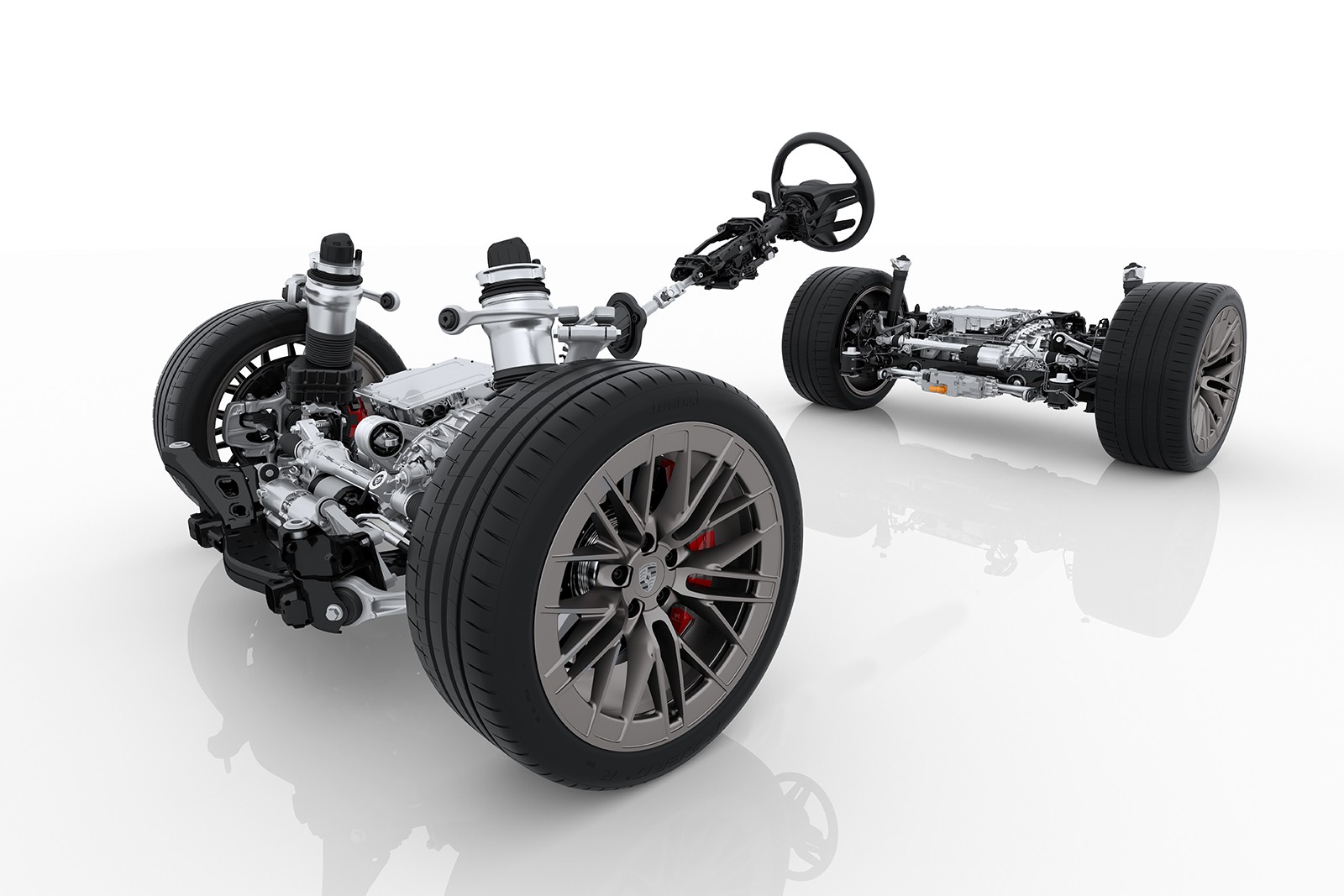
The new Porsche Cayenne Electric has set a new benchmark for electric SUVs, boasting an impressive 1140 horsepower while maintaining a usable 373-mile range. This achievement isn’t just about raw power; it’s the result of cutting-edge battery technology and thermal management, pushing the boundaries of what’s possible in electric vehicle (EV) engineering.
Next-Generation Battery Architecture
At the heart of the Cayenne Electric is a custom-developed 113kWh battery pack, produced in Porsche’s own Smart Battery Shop in Slovakia. This in-house development allows for tight control over quality and innovation. The battery consists of 192 large-format pouch cells, utilizing advanced graphite-silicon anodes and high-nickel (86%) NMCA cathodes to maximize energy density and charging speed. This cell chemistry represents a 7% improvement over Porsche’s Taycan battery.
Ultra-Fast Charging Capability
The battery supports 800V ultra-rapid charging at up to 400kW, enabling a 10-80% charge in under 16 minutes. Crucially, the system maintains high charge rates (350-400kW) even at lower temperatures (down to 15°C), addressing a common pain point in EV charging. It also remains compatible with 400V stations, charging at up to 200kW.
Revolutionary Thermal Management
To sustain peak performance, Porsche has implemented an aggressive thermal management system. The battery pack features double-sided cooling, sandwiching the cells between cooling plates for consistent temperature regulation regardless of external conditions or driving style. The cooling capacity is equivalent to 100 large household refrigerators, ensuring stable operation even under extreme loads.
Energy-efficient fans further reduce parasitic losses, consuming 15% less power than conventional designs. A predictive thermal management system integrates all vehicle cooling and heating circuits, anticipating temperature changes based on route, driving habits, and climate control needs.
Structural Integration for Efficiency
The battery pack isn’t just an energy source; it’s a structural component of the Cayenne’s chassis. Integrating the battery into the vehicle’s structure saves weight and space, improving the cell-to-housing ratio by 12% compared to the older Taycan battery. This also enhances rigidity and lowers the center of gravity, improving handling and stability. Safety is also a priority: Porsche has designed the module housing from a special energy-absorbing aluminum profile to protect the cells in a crash.
The Cayenne Electric showcases Porsche’s commitment to pushing EV technology forward, not just in terms of power, but also in battery efficiency, thermal management, and structural integration. This SUV demonstrates how advanced engineering can overcome the typical trade-offs between performance and practicality in electric vehicles.