The automotive landscape is shifting toward electrification, and the new Freelander 8 is a prime example of how legacy names are being repurposed for a new era. Unveiled at the 2026 Beijing Auto Show, this production-ready SUV marks the debut of a brand-new standalone marque: Freelander.
This isn’t just a new model; it is the first product from a strategic joint venture between Jaguar Land Rover (JLR) and Chery. By separating the Freelander name from the main JLR lineup, the partners aim to create a dedicated “New Energy Vehicle” (NEV) brand capable of competing in the hyper-competitive Chinese market.
Design: Nostalgia Meets Modern Necessity
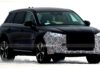
The Freelander 8 adopts a “boxy” aesthetic that pays homage to the original 1997 model while embracing modern technology. Several design cues bridge the gap between the past and the present:
– Retro Styling: The square headlights and the distinctive triangular rear pillar glass are direct nods to the first-generation Freelander.
– EV-Centric Front End: A closed-off grille—standard for electric vehicles—features debossed “Freelander” lettering.
– Tech Integration: A roof-mounted LiDAR unit is visible, a common feature in Chinese vehicles equipped with high-level autonomous driving assistance.
However, some traditional off-road elements have been sacrificed for modernization. Notably, the vehicle lacks a rear-mounted spare wheel, a feature that would have strengthened its rugged, heritage-driven identity.
Engineering and Capabilities
While full technical specifications remain under wraps, the Freelander 8 is a substantial vehicle, measuring approximately 5.1 meters (200.7 inches) in length. This places its footprint between a Defender 110 and a Defender 130.
The vehicle is built on a versatile platform designed to support three distinct types of electrified powertrains:
1. Battery Electric Vehicles (BEV)
2. Plug-in Hybrid Electric Vehicles (PHEV)
3. Range-Extending Electric Vehicles (REEV)
Key technical highlights include:
* Three-row seating for increased passenger capacity.
* CATL batteries supporting ultra-fast 350-kW charging.
* Advanced hardware, including air suspension and a rear electronic limited-slip differential, suggesting a focus on both comfort and capability.
Navigating Regulatory and Market Challenges
The transition from the “Concept 97” show car to the production Freelander 8 highlights the practical realities of manufacturing. For instance, the concept featured flush door handles, but these were replaced with a semi-enclosed design to comply with new Chinese safety regulations —a move similar to those recently made by BMW.
Furthermore, the production model has moved away from the concept’s rear-hinged doors in favor of a conventional setup with B-pillars, prioritizing structural practicality.
Why this matters: The Freelander brand faces a steep climb. It is entering a Chinese market where new EV brands emerge almost weekly, and it must compete against established giants offering similar large, electrified SUVs.
Global Outlook
The Freelander 8 is not destined to remain a China-only product. JLR and Chery plan to export the model to international markets, including right-hand drive regions. This SUV is merely the beginning; the partnership intends to launch six SUV models over the next five years.
Despite its global ambitions, customers should note that the Freelander brand will operate through its own distinct retailer network. You will not find these vehicles at traditional Jaguar Land Rover dealerships.
Conclusion
The Freelander 8 represents a high-stakes gamble to revive a classic nameplate through a specialized electric brand. Its success will depend on whether its blend of heritage design and advanced electrification can carve out a niche in an increasingly crowded global SUV market.