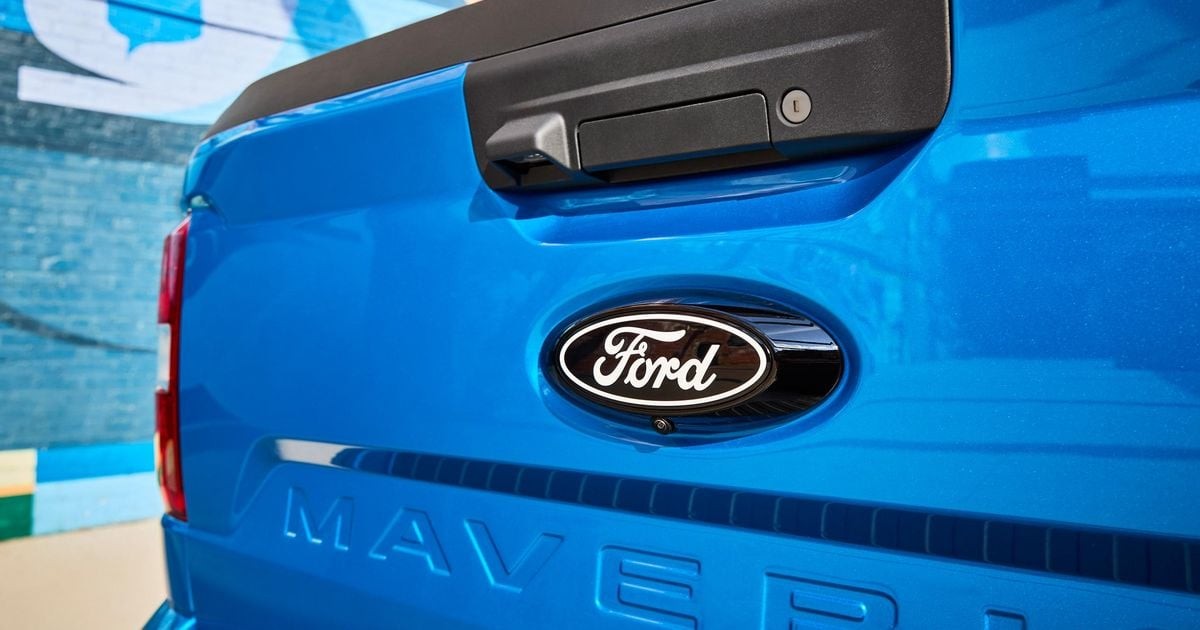
Ford CEO Jim Farley has proposed a controversial plan to the Trump administration: allow Chinese automakers to establish manufacturing operations within North America. The idea, as reported by Automotive News, involves joint ventures between Chinese companies and US manufacturers like Ford, sharing profits to ensure benefits flow to both sides.
The Strategic Rationale
This proposal mirrors China’s own successful strategy for automotive dominance. Beginning in 1983 with partnerships like BAIC and AMC, China leveraged joint ventures to absorb technology and intellectual property from global giants like Volkswagen, GM, and Ford. By 2025, China surpassed Japan to become the world’s largest car producer, a position built on decades of calculated industrial policy.
The key takeaway is that this isn’t just about trade; it’s about reversing competitive disadvantage. Ford is facing significant financial headwinds, including losses on electric vehicles and the impact of tariffs. Allowing Chinese production within the US could reduce tariffs on imported parts, lowering costs for EV manufacturing and potentially revitalizing Ford’s bottom line.
A Cold Reception and Market Realities
Farley presented the idea to Trump administration officials in January, but reportedly received a “cold reception”. The proposal faces strong political opposition in Washington, where protectionist sentiment remains high. Despite this, the reality is that Chinese automakers are already gaining ground.
- Canada has slashed tariffs on Chinese EVs, and Mexico is experiencing a surge in Chinese vehicle sales.
- BYD, now the world’s top EV seller, is effectively locked out of the US market due to tariffs and restrictions.
- Several Chinese-built vehicles (Polestar 2, Buick Envision, Lincoln Nautilus) are already sold in the US, demonstrating existing demand.
The Political Landscape and EV Future
President Trump’s recent repeal of the 2009 ‘endangerment finding’ (removing greenhouse gas emissions regulations) further complicates the situation. The move extends the life of internal combustion engines, potentially undermining EV sales that are already struggling after federal incentives were removed.
Farley himself acknowledges the threat: Chinese brands offer low costs and high quality that could bankrupt US automakers if they gain unrestricted access. He has even been seen driving a Xiaomi SU7 in the US, a testament to their competitive edge.
What’s Next?
Despite the initial resistance, the Ford CEO’s proposal underscores a growing recognition of the need to adapt to China’s rise in the automotive sector. The US remains the world’s second-largest new-vehicle market, making it a crucial battleground for global automakers. Whether the Trump administration will embrace this strategy remains to be seen, but the underlying economic and competitive pressures are undeniable.
Ultimately, Ford’s proposal forces a hard question: Can the US auto industry compete with China’s efficiency and innovation, or is collaboration the only path forward?