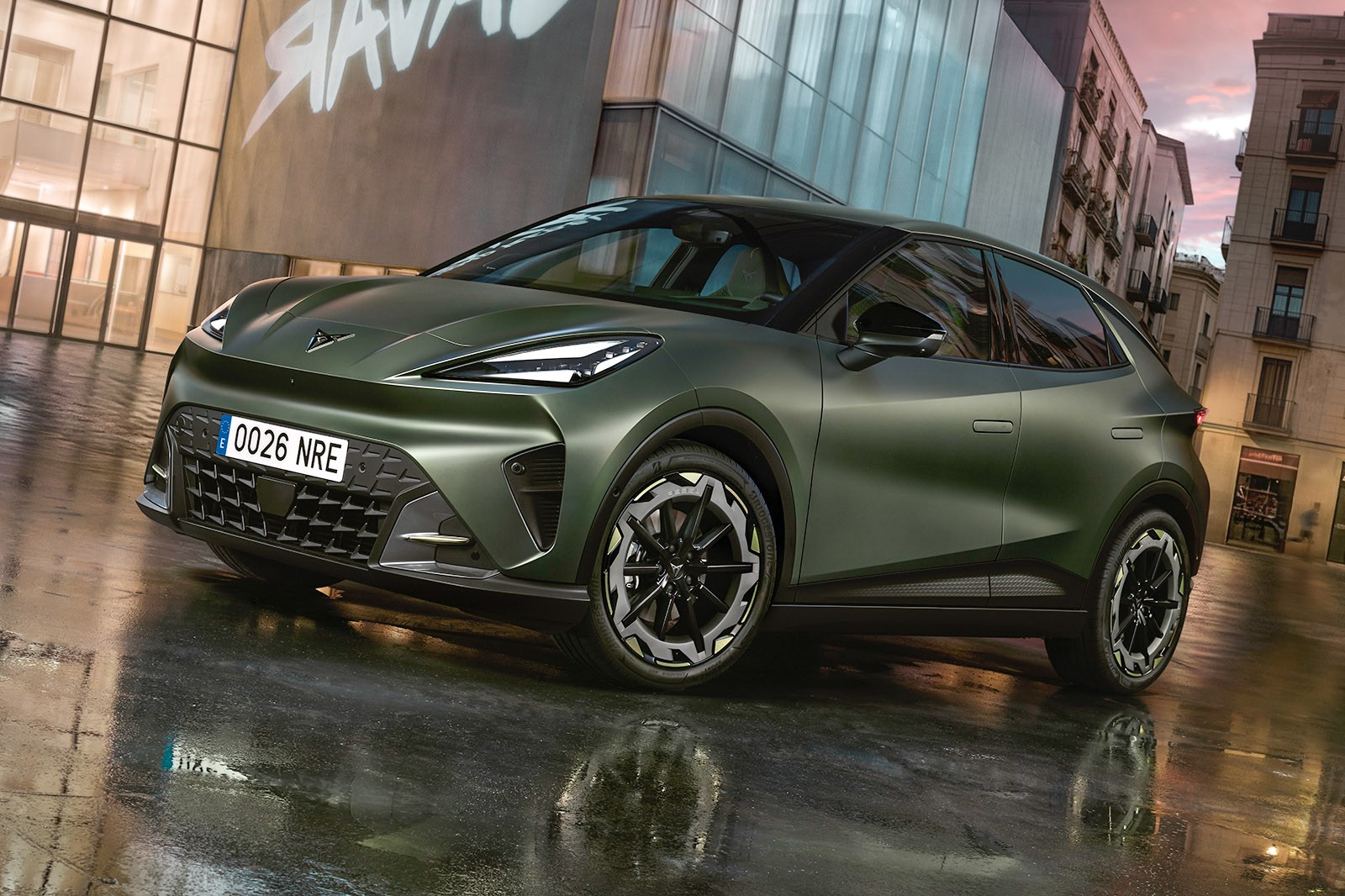
The Volkswagen Group is preparing for a new era of affordable electric mobility, and the Cupra Raval is leading the charge. Unveiled as the first of a new wave of compact EVs, the Raval aims to disrupt the small electric car market by offering a sporty alternative to the upcoming Renault 5, with an entry price starting below £23,000.
The Strategy: Efficiency Through Shared Platforms
The Raval’s competitive pricing is not a coincidence; it is the result of strategic engineering. The vehicle is built on the MEB Plus platform, a cost-optimized evolution of the architecture used for the Cupra Born.
To drive down manufacturing costs and make EVs accessible to a broader demographic, Volkswagen Group has implemented several key changes to this platform:
– Simplified Suspension: Moving from a complex multi-link setup to a more economical torsion beam.
– Scalability: The platform will serve as the foundation for upcoming models, including the Volkswagen ID Cross, ID Polo, and Skoda Epiq.
By spreading development costs across multiple brands and models, the group can offer high-tech electric driving at a much lower price point than previous generations.
Design and Practicality: Small Footprint, Large Capacity
While the Raval is a compact vehicle (4.05m long and 1.78m wide), it is designed to be slightly larger than the Renault 5, positioning it as a more substantial option in the subcompact segment.
Cupra has also focused on maximizing utility. Despite its small exterior, the Raval boasts a 430-litre boot —surpassing the capacity of the larger Cupra Born. This is achieved through a clever underfloor compartment, a design trend similar to the “Gigabox” seen in the Ford Puma Gen-E, which prioritizes storage efficiency in small footprints.
Performance and Powertrain Options
Cupra is offering a diverse range of configurations to cater to different driver needs, from urban commuters to performance enthusiasts. The lineup is divided into four trims and two battery types:
1. The Efficient Commuter (Core Trim)
- Battery: 37kWh Lithium-iron-phosphate (LFP).
- Power: 114bhp.
- Range: Approximately 185 miles.
- Charging: 90kW max (10-80% in 27 minutes).
2. The Mid-Range Versatiles (V1 and V2 Trims)
- Power: 133bhp as standard, with an upgrade option to 208bhp.
- Battery Option: A larger 52kWh Nickel-manganese-cobalt (NMC) pack.
- Range: Approximately 280 miles.
- Charging: Faster 130kW max charging rate.
3. The Performance Flagship (VZ Trim)
Positioned as a direct competitor to the high-performance Alpine A290, the Raval VZ is designed for driving enthusiasts.
– Price: Approximately £37,000.
– Output: 222bhp via a front-mounted motor.
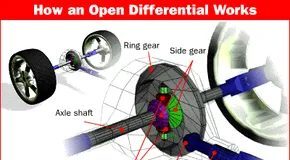
– Handling: Features an electronic limited-slip differential to manage power delivery.
– Performance: 0-62mph in 7.0 seconds with a top speed of 108mph.
– Trade-off: The higher power output reduces the range to roughly 250 miles.
Why This Matters
The arrival of the Cupra Raval signals a shift in the electric vehicle market. As the “early adopter” phase of EVs concludes, manufacturers are pivoting toward mass-market affordability. By utilizing shared platforms and simplified components, the Volkswagen Group is attempting to solve the biggest hurdle to EV adoption: the price gap between internal combustion engines and electric motors.
The Cupra Raval represents a strategic move to bring “affordable performance” to the compact EV segment, challenging both budget-conscious buyers and those seeking a spirited driving experience.