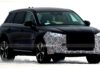
The Audi Q7 remains a strong choice in the premium SUV market, even after years on sale. It effectively balances a comfortable ride with confident handling, making it competitive against rivals like the BMW X5, Mercedes GLE, and Range Rover Sport. While not the newest option, the Q7 offers a spacious interior, generous standard equipment, and a refined driving experience. However, buyers should consider newer powertrains for better efficiency.
A Latecomer That Made an Impact
Launched in 2007, the Q7 stood out early on by providing seven-seat capacity when many competitors offered only five. The current generation, arriving in 2015, built upon that foundation with a lighter structure, sharing its underpinnings with high-end vehicles from Bentley, Porsche, Lamborghini, and Volkswagen. Despite these shared components, Audi maintains its distinct identity through its emphasis on technology and a premium image.
Over its lifespan, the Q7 has received updates including styling tweaks, a dual-screen infotainment system, and revisions to its gasoline and diesel engines. These improvements ensure it remains competitive against newer rivals.
Performance and Driving Experience
The Q7 delivers a smooth ride thanks to its standard adaptive air suspension, rivaling the comfort of the Range Rover. While not designed for extreme off-roading, Audi’s quattro all-wheel drive system provides secure traction on varied surfaces. The Q7 is surprisingly agile for its size, especially with the optional all-wheel steering. It prioritizes a relaxed driving experience, making it ideal for long distances.
Engine options include a 228bhp diesel, a more powerful 282bhp diesel, and a 335bhp petrol. The high-performance SQ7 boasts a 500bhp V8. A plug-in hybrid version offers up to 50 miles of electric range.
Interior and Technology
The Q7’s interior prioritizes quality and comfort, with soft materials and a solid build. It features Audi’s Virtual Cockpit digital instrument cluster, standard navigation, and a range of driver-assistance systems. The infotainment system is well-integrated, though the options list can inflate the price quickly.
Standard equipment includes LED headlights, cruise control, and four-zone climate control. Upgrades include remote parking assist and a panoramic sunroof.
Running Costs and Depreciation
The Q7 carries a premium price tag, starting around £72,300 for the base diesel model. Fuel economy is reasonable with the diesel engines, averaging around 33mpg in real-world testing. The plug-in hybrid offers the best efficiency, with up to 73.2mpg and 50 miles of electric range. However, insurance and taxes remain high due to its size, power, and luxury status.
Depreciation is moderate, with the Q7 retaining around 45-50% of its value after three years. The Range Rover Sport holds its value slightly better, while the BMW X5’s depreciation varies.
Conclusion
The Audi Q7 remains a compelling option for buyers seeking a luxurious, spacious, and capable SUV. Despite its age, it delivers a refined driving experience, advanced technology, and a well-built interior. While newer rivals may offer advantages in certain areas, the Q7’s balance of comfort, performance, and practicality ensures its continued relevance in the premium SUV segment.