


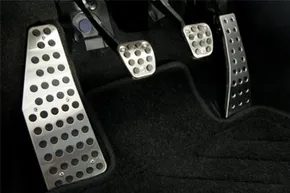
Before the late 1980s, driving was mechanical. You pressed the pedal. A cable pulled the throttle plate. Air rushed into the manifold. Gas burned. You went faster. Simple. Direct. If the cable snapped, the throttle stayed open, and you were dead in the water (or worse). It was brutal, but it was predictable.
Then came drive-by-wire.
Today, stepping on the accelerator doesn’t pull a cable. It sends an electrical signal. You aren’t opening a valve with your foot. You’re talking to a computer. This is electronic throttle control, or ETC. It sounds like overengineering, right? Why fix what isn’t broken?
It’s not just about complexity. It’s about precision.
The Hidden Benefits of ETC
People hate complexity in cars. They love it when it saves them time. ETC reduces maintenance because it removes the physical linkage. No cable to stretch. No pivot points to rust. No sticky carburetor jets from the old days. The system relies on electric impulses, not moving metal parts grinding against each other. That means fewer things to break.
But there’s a bigger reason for the shift: safety and integration.
Mechanical throttles only listen to one thing: your right foot. Electronic systems listen to everything. The ECU (Electronic Control Unit) reads wheel speed. It checks traction. It monitors brake pressure. It looks at steering angle.
“An electronic throttle control system doesn’t just read input from the driver’s foot; it examines input from wheels that are slipping… helping correct driver error.”
If you lift off the gas too late on a corner, the ECU can cut power before you spin out. It’s a failsafe. It’s also why electronic throttle control is essential for modern cruise control. You can’t mechanically link a cruise system to a throttle cable easily. You can, however, tell a computer to hold a specific voltage.
The Toyota Recall and Public Fear
Then came 2009.
Toyota had a massive recall. Acceleration issues. Pedals sticking. Cars running away. The media painted electronic throttle control as a death trap. Drivers asked the obvious question: if it’s electronic, can someone hack it? Can outside signals interfere with the ECU?
The fear wasn’t irrational. If a system relies on software and wires, it has entry points.
Mechanical systems are isolated. You can’t hack a cable. You can’t jam a signal into a steel rod. But wires carry data. Data can be corrupted.
Can Outside Signals Interfere?
This is the question that keeps enthusiasts awake at night.
The system is designed with redundancy. The ECU compares the pedal position sensor with the throttle position sensor. If they don’t match, the car enters “limp mode.” It limits power. It keeps you from crashing.
But does that mean it’s immune?
Most engineers say no system is 100% hackable. However, the likelihood of a random signal interfering with your throttle is incredibly low. The ECU is shielded. The signals are checksummed. If a packet is corrupted, it’s dropped.
Still, the 2009-2010 controversy left a mark. Drivers want to know if their car is a safe vessel or a connected device waiting to be exploited.
The answer isn’t simple. But it’s rooted in how modern cars process data. And that leads us to the next layer of the problem.
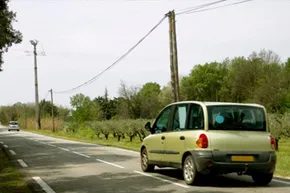

Some drivers swear their cars have surged through traffic on their own. They point to the electronic throttle control system as the culprit. Experts and engineers have weighed in on this fear. They say electromagnetic interference might be to blame.
Can Electromagnetic Interference Trigger ETC?
The theory is simple. Interference from cell phones or power lines could cause a short circuit. This short might trick the electronic throttle control into opening the throttle. The result? Sudden, unintended acceleration.
Professor David Gilbert at Southern Illinois University made this case public. He appeared on ABC News to demonstrate the risk. He worked on a Toyota Avalon. He cut and reconnected wires in the electronic throttle control system. The engine revved. The car accelerated without driver input. Brakes were applied. The surge continued.
Toyota and other experts pushed back hard. They called Gilbert’s scenario contrived. It was unlikely to happen in the real world. Normal use doesn’t involve cutting wires. Most systems are well insulated against electromagnetic interference. Short circuits are rare.
But automakers don’t ignore the possibility entirely. They have built failsafes into the design.
How ETC Failsafe Modes Work
Complex systems need redundancies. Electronic throttle control is no exception. The goal is either to keep the system running or provide a safe shutdown.
Most systems have a first line of defense. At the first sign of trouble, the throttle closes. The engine returns to idle. If the engine control unit detects a sensor problem, it prevents the throttle from opening.
Redundancy is built into the sensors themselves. Each sensor position uses two sensors. The system compares their readings. If one malfunctions, or if the two sensors report different values, the system assumes an error. It closes the throttle. The engine idles.
The Smart Throttle Motor as Gatekeeper
What about power surges or short circuits from outside interference? The answer lies in the smart throttle motor. This component is the final gatekeeper. All throttle signals must pass through it before the throttle moves.
The smart throttle motor is programmed to recognize valid inputs. It only responds to signals from the engine control module. If it detects voltage or signals that didn’t come from the ECM, it shuts down. The engine stops. It does not surge ahead.
If electromagnetic interference is strong enough to affect the system, the design intent is a shutdown. Not acceleration.
Brake Override Systems
Are electronic throttle control systems problem-free? No system is. But the failsafes, if working properly, should prevent unexpected surges.
Consumer awareness of unintended acceleration has changed things. Car makers are adding another layer of protection. They are installing brake override systems. These are already available on some German manufacturers’ cars.
The logic is straightforward. Driver inputs take priority. If the system malfunctions and the throttle opens on its own, stepping on the brakes will close it. The override kicks in. The car slows.
Electronic throttle control is just one piece of the puzzle. There are many other electronic components under the hood.
The Fallout from the Unflooring Hearings
The dust had barely settled on the congressional hearings when the real war moved online. Toyota’s reputation was bleeding out, and they tried to plug the hole with a massive data dump. They called it a “comprehensive analysis.” Critics called it a deflection.
The core of Toyota’s defense rested on a single, fragile premise: the electronic throttle control system was not to blame.
“The comprehensive analysis raises concerns about Gilbert Congressional testimony,” Toyota stated in their press release, dismissing the expert witnesses who had testified under oath.
Brian Ross at ABC News had just aired a segment showing a sudden acceleration event in a Camry. It was visceral. It was terrifying. Toyota’s response was to sue the credibility of the experts, not the mechanics of the car. They argued the tests were “unrealistic.”
The Electronics Debate Heats Up
Brad Bergholdt from McClatchy-Tribune dug into the nuts and bolts of electronic throttle control earlier that year. The technology is precise. It’s complicated. But is it vulnerable?
Jayne O’Donnell at USA Today asked the question everyone was whispering: Could electronics be causing runaway cars?
The answer wasn’t in a textbook. It was in the wiring. Electromagnetic interference (EMI) was the ghost in the machine. Toyota held a presentation on February 23, 2010, detailing their EMI testing. Anita Lienert covered it for InsideLine. Toyota insisted their systems were shielded. They insisted the sensors were redundant.
But redundancy doesn’t help if the ground wire is faulty.
Pico Technology offered a glimpse into the signal paths. Electronic throttle control relies on precise voltage readings. A spike in noise can trick the engine control unit into thinking the driver is mashing the pedal. The computer doesn’t know the difference between intent and interference.
Experts Clash Over “Sudden Acceleration”
This was the era of sudden acceleration investigations. The term itself was a battleground.
Toyota wasn’t just denying the problem; they were attacking the methodology of the researchers. Joseph Rhee, speaking for Toyota, slammed the research of auto experts as “unrealistic.” The Associated Press reported that Toyota disputed critics who pointed to electronic throttle control issues.
They wanted the blame to fall on floor mats. It was an easy narrative. It was a clean narrative. It didn’t require recalling 8 million cars.
Ken Thomas and Stephen Manning reported the clash. Toyota vs. the critics. It wasn’t a discussion. It was a siege.
The Human Cost of the Denial
Behind the press releases and the technical jargon about electronic throttle control was a growing list of accidents. The “death-proof” question from the earlier articles wasn’t academic anymore. It was happening in driveways. On highways.
The crash test videos circulating online showed the violence of a car that accelerates when it shouldn’t. The laser speed guns captured velocities that defied the driver’s input.
Toyota’s stance was rigid. The car was safe. The electronics were robust.
But as the sources pile up—the ABC News segment, the USA Today investigation, the Pico Technology data—the picture gets blurry. Is it a software glitch? Is it EMI? Is it a physical flaw in the pedal mechanism?
The sources listed here from 2010 don’t provide a final answer. They provide a snapshot of a company fighting for survival. They show the tension between engineering reality and public perception.
The electronic throttle control systems remained in cars. The recalls happened. The lawsuits lingered.
And the question of whether a


