


Honda doesn’t reinvent the wheel. It just makes the wheel harder to break.
That’s the brand’s core strategy. A fierce pragmatism that prioritizes reliability above all else. But there is a secondary layer. A history of aggressive engineering innovation. While rivals chased two-stroke power in the 70s, Honda experimented with four-stroke configurations. It was messy. Lots of failures. But it resulted in bulletproof powertrains that still run today.
Buying used machinery is risky. Always do your homework. Check the fluids. Listen to the engine. The list below runs from old to new. These are the models worth hunting for right now, before the masses catch on and drive prices through the roof.
The CB750: How Honda Killed The British Bike Industry
Price Range: $5,000 – $7,000
Inline-four engines were rare. Exclusive. Expensive. Then came the CB750 in 1970. Honda called it the Universal Japanese Motorcycle (UJM). It was fast. It was reliable. It was cheap.
This bike didn’t just compete. It rendered the competition obsolete. The other Japanese manufacturers scrambled to copy it. The British industry? Wiped out. Dominant no longer. These machines are over fifty years old. Finding one with original parts is getting harder every day. If you find one, check the frame for cracks. Look at the carburetors. They work. They just need patience.
The GL1000 Gold Wing: The First Liquid-Cooled Four-Stroke Tourer
Price Range: $3,000 – $5,000
Honda wasn’t satisfied with inline fours. In 1975, they released the GL1000. It was the first liquid-cooled four-street bike. Most people thought it looked like a big UJM. They were wrong. It was bigger. Heavier. More powerful.
Comfort was the goal. Sportiness was secondary. This formula created a touring dynasty. The modern Gold Wing is expensive. The original? Affordable. And fun, in a lazy way. The boxy fairing is iconic. The four-cylinder boxer engine sounds distinct. Just check the cooling system. Leaks are common on old water-cooled bikes.
The 1986 VFR754F: How Honda Fixed Its Reputation
Price Range: $4,000 – $6,000
Know the difference. The VF750 had “chocolate cams.” They shattered. The brand’s reliability record took a hit. So Honda built the 1986 VFR74F. Or the 750 in some markets.
They over-engineered everything. Reportedly sold them at a loss to win back trust. The result? A V4 masterpiece. Gear-driven cams. Robust construction. It launched the V4 dynasty. This bike is the antidote to Honda’s earlier mistakes. If you see a clean example, look closer. It’s a superbike disguised as a tourer. The suspension is stiff by modern standards, but the power delivery is smooth.
The NSR250R: The Race Bike You Can Plate
Price Range: $4,000 – $5k
Irony. Honda hates two-strokes. Yet, their racing program produced some of the best ever made. The NSR250 was built for the World Championship. The street version was a compromise. Literally a race bike with lights bolted on.
Derestrict it. 60 horsepower hits you. All at once. At the top of the rev range. It’s terrifying. It’s exhilarating. It requires skill. If you aren’t experienced, walk away. The under-seat storage is nonexistent. The ergonomics are extreme. But the technology? Ahead of its time. The plastic fairings are fragile. Handle with care.
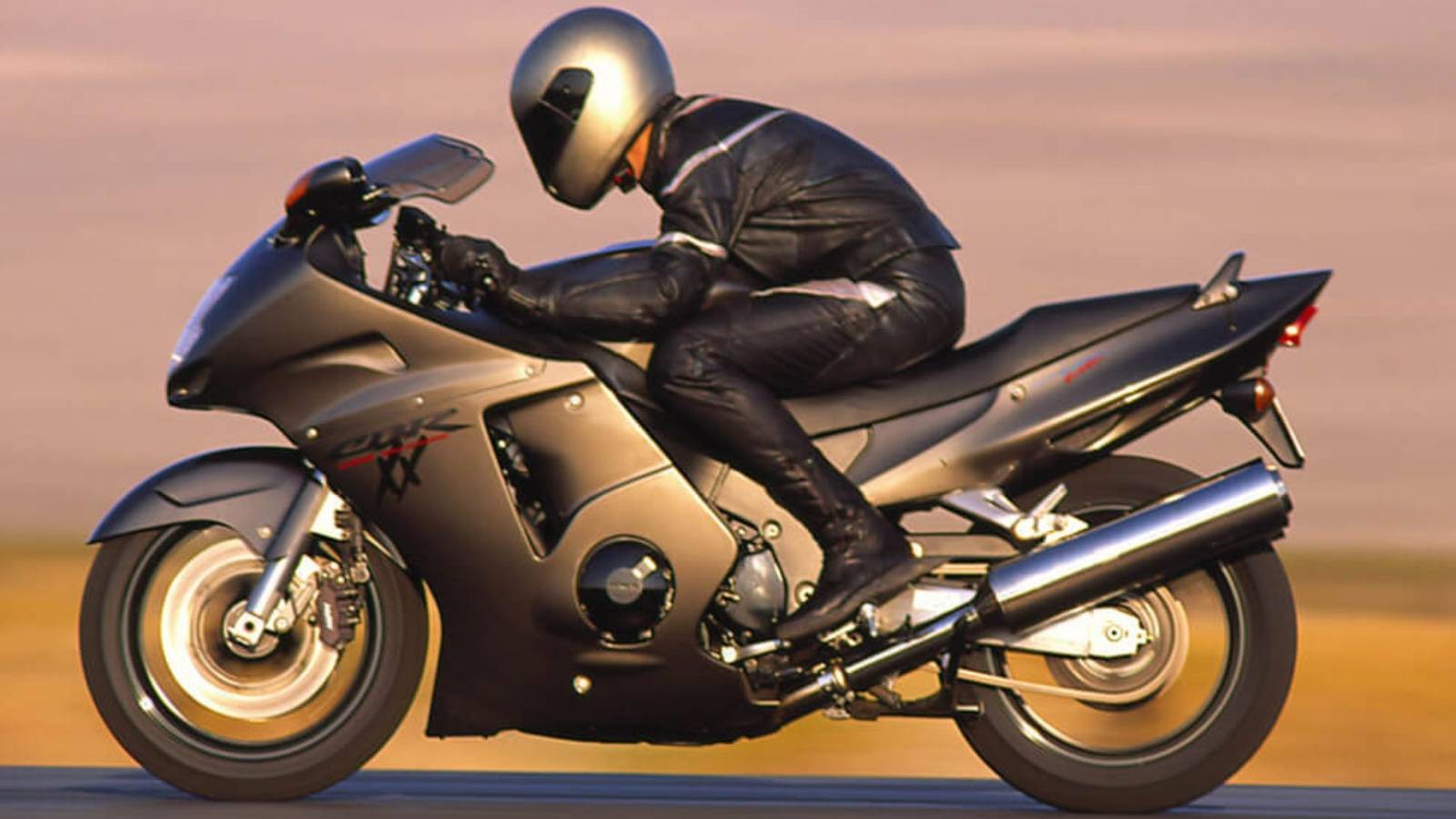
The CBR1100XX Super Blackbird: The Budget Speed Queen
Price Range: $3,000 – $15,000
Born to break land speed records. Now? It’s a budget sport tourer. The Blackbird is heavy. The brakes are from the 90s. Upgrade them. Or ride with extreme caution.
But the seat? Plush. The inline-four? Smooth as butter. You can hold a highway speed for hours. It’s comfortable for a bike that can exceed 150 mph. Prices are still reasonable. Find a low-mileage one. The electronics are simple. No complex computers to fail. Just mechanical perfection.
The 2001-2004 Gold Wing (GL1800 Platform): Wind Protection Masterclass
Price Range: $4,000 – 6,000
The criticism? It feels like a car. Too much wind protection. Too isolated. But that’s the point. You sit in a bubble. Silence. Stability.
A bike this old won’t have factory-fresh seals. The wind protection might be compromised. It will feel like a motorcycle again. In a good way. The airbox is massive. The six-cylinder engine is a torque monster. Just check the side case locks. And the turn signal stalks. They break. Easy fixes. But annoying.
The Limited Edition Rune: Engineering Over Aesthetics
Price Range: $17,000 – $9,000
Honda sold this at a loss. For two years. It’s a statement piece. Heavy chrome. One-off parts. Not everyone loves the look. Some call it ugly. Others call it art.
From an engineering standpoint, it’s flawless. Overbuilt. Detailed. It will appreciate. The market is in flux. But at the right price, it’s a future classic. Check the chrome for pitting. Look for original documentation. These were limited to 1,500 units. Rarity drives value here.
The VFR800 Interceptor: The V4 Done Right
Price Range: $5,000 – 7,000
Started as a superbike. Became the ultimate sport tourer. By 2008, Honda added VTEC. The VTEC system opens more valves at high RPMs. More power. More breathability.
This is the finished article. The V4 is precise. Gear-driven cams again. Exceptional reliability. If the previous owner did basic maintenance, the mileage doesn’t matter much. These engines go forever. Check for oil leaks around the valve covers. Common on high-mileage units. Easy to fix.
The MSX125 Grom: The Urban Utility Monster
Price Range: $1,000 – $3,000
Uninteresting engine. Tiny frame. Massive success. Honda took a boring 125cc single-cylinder and put it in a lightweight chassis. It’s fun. Cheap. Accessible.
New riders love it. Veterans love it for urban commuting. The aftermarket is endless. You can build it into anything. A mini-cafe racer. A bobber. Just cosmetically. Don’t try to put a turbo on it. The powertrain will laugh at you. Buy one. Ride it everywhere. It fits in garages. It fits in parking spots. It’s practical fun.
The VFR1200X CROSSTOURER: The Crossover That Makes Sense
Price Range: $7,000 – 9,000
Crossovers are trendy now. Honda tried it in 2016. The VFR120X looked adventurous. The DCT transmission was clunky. Critics hated it.
But for touring? It works. The dual-clutch automatic takes the work out of city riding. The long-travel suspension eats bumps. The luggage is integrated. Yes, it’s heavy. Yes, the DCT isn’t perfect. But for a bike you’ll use for long distances? It’s comfortable. And at this price, it’s a steal. The V1200 engine is a V4 with two cylinders sharing a crankpin. Smooth. Torquey. Reliable.
Which one will you choose?
The old school charm of the CB750? The modern convenience of the VFR120? Or the quirky fun of the Grom? The market waits for no one. Prices will rise. Inventory will shrink.
Pick your fighter. Check the paperwork. Ride safely.


