You click buy.
You’ve just secured the perfect ride without setting foot in a dealership, scrolling through auction lots or arguing with a private seller across three time zones. It’s 2024. We do this now. We buy cars blind. We trust pixels.
But here’s the rub.
The screen price is a lie. Or at least it’s half the story.
For every pound you saved by skipping the showroom, you’re likely spending more on getting the beast from Bristol to your driveway in Manchester. Delivery isn’t an afterthought anymore. It’s part of the negotiation. It’s part of the bill.
Why Geography Beats Convenience
The internet shrank the market, sure.
Suddenly that rusty gem in Glasgow isn’t impossible to own. The limited edition model in Cornwall is within reach. Distance means less. Choice means more.
But logistics? They didn’t get a memo to disappear.
If your car is taxed, insured, rolls on its wheels and has working brakes, you might just call a driver to wheel it home. Easy peasy. But if it’s a non-runner? If it’s stuck in an auction yard with no MOT? If the address involves a narrow lane that would choke a small SUV?
Now the game changes.
The transport method shifts. The cost spikes. The simplicity evaporates.
What You Actually Need to Know
Most buyers make the same mistake.
They look at the car. They check the engine. Then they forget everything else. Before you even think about booking a mover, you need answers from the seller. Vague plans cost more than clear ones.
Here’s the checklist you’re probably ignoring:
- Precise locations. Not just “near Birmingham.” I need the postcode. The specific yard gate.
- Vehicle health. Does it start? Can it steer? Do the brakes actually bite?
- Roadworthiness. Can it be driven on trade plates or does it need to lie flat on a trailer?
- Access nightmares. Height limits? Narrow alleys? Overhanging trees that might scrape a low sports car?
- The clock. What time can they let you go? Is there a penalty fee if you linger too long in storage?
- The paperwork. Are the keys ready? Are the release forms signed?
A vague request gets a vague price. Usually a high one.
Give them the details. You get a real number.
Drive It or Drag It?
You generally have two choices.
Drive it.
A professional driver with trade plates gets behind the wheel. They take the M6 to the M1. It’s usually cheaper if the car is legal to drive and doesn’t look like it came off a crash test dummy. It’s also faster for short hops.
Trailor it.
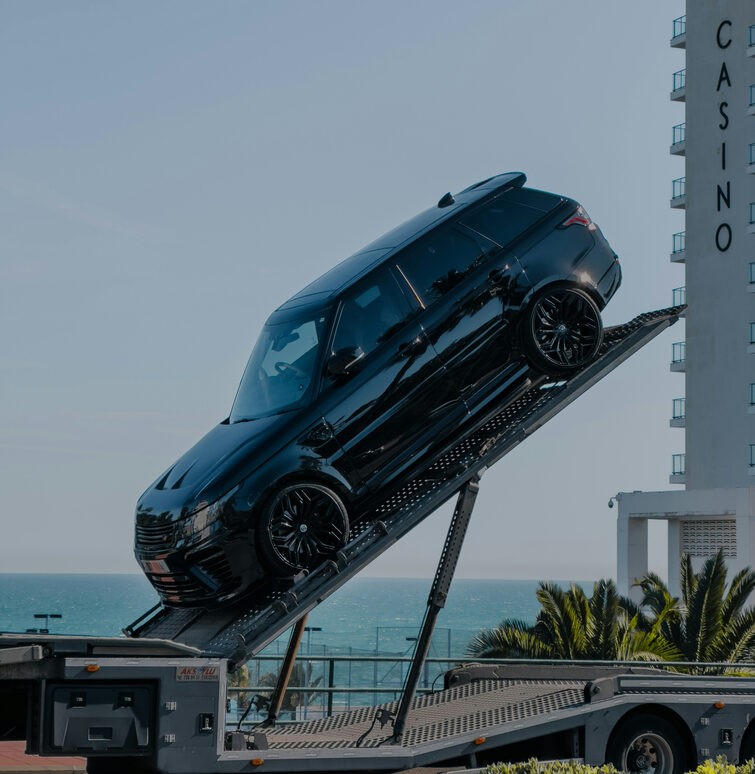
The car goes onto a transporter or a flatbed. No engine running. No miles added.
This is mandatory for classics, damaged cars, or anything that sounds like a lawnmower when you turn the key. It’s better for high-value cars too. You don’t risk a fender-bender on a rainy Tuesday because you were trying to save £50.
There is no right answer. Only the right answer for that specific metal object you want.
Why the First Quote is Usually Trash
Prices vary.
Wildly.
A transporter already heading north might knock fifty quid off their rate to fill empty space on the back of their truck. A one-way emergency move for a broken-down vintage Jaguar costs an arm and a leg. Distance doesn’t always correlate to cost. Timing does. Complexity does.
Don’t take the first offer.
Compare.
“The cheapest option isn’t always the cheapest job.”
It sounds obvious. It gets ignored every day.
This matters whether you bought it on eBay, Facebook Marketplace, or from a shady lot at the back of town. Whether you’re moving stock as a dealer or finally picking up that project car from an uncle’s garage, the quotes matter.
Timing Is Money (and Sanity)
You don’t need to book the truck before you hand over the cash for the car. But you need a number in your head before you click ‘Buy Now.’
Why?
Because that ‘cheap’ car two hundred miles away might turn out to be expensive once you factor in auction storage fees. Or the recovery cost because the previous owner stripped the battery terminals. Or the panic fee because you realized too late that it needs to be moved inside a 48-hour window.
Check the transport options first.
Know what the last mile costs. If the logistics are a headache, the car is probably a headache too.
How the Process Works
This is where services like DeliverMyMotor plug into the gap.
They are a UK marketplace for this exact headache. You post one job description. You list the car, the start, the end. You say if it runs. You mention if it needs a liftgate.
Then the quotes roll in.
From independent transporters who are looking for work.
For the online buyer, it simplifies the chaos. No phone tag with five different logistics companies. Just one place to see the real cost of bringing your digital purchase into the real world.
It makes the stress quieter. It makes the decision clearer.
You found the car.
Now figure out how to get it there without breaking the bank or the suspension.