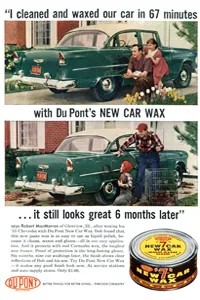
Most drivers consider car wax to be a cosmetic decoration. You slap it on before a date or a show hoping for a mirror effect, then forget about it until next year. This is wrong. Waxing is not a luxury option. This is an important part of your routine calendar, just like an oil change or a tire change.
We are usually fascinated by engine bays. We check fluid levels. We listen for knocks. But do you let the exterior of your car to the occasional blast in the car wash? This neglect can hurts your wallet. Faded and oxidized paint reduces resale value, as does skipping a tune-up. Regular exterior care can keep your metal looking new for years, not just months.
But it’s not just vanity. The wax protects the clear coat. It preserves the oils in the paint. Oxidation occurs when oxygen molecules react with free radicals in the finish. As a result, the surface becomes dull and chalky, giving it an old and worn appearance. The wax creates a barrier. It shields the paint from daily assault such as bird droppings, tree sap, smog, hail and UV rays. Without this layer, your paint will burn and rot in real time.
How often should I apply wax to protect my paint?
There is no one-size-fits-all answer to how often you should wax. The “right” frequency depends on where you park, the products you use, and the how much time you have.
Manufacturers usually recommend a fresh coat with a new one every 45 days. Some newer synthetic sealants claim to last up to a year. If you want that permanent showroom shine, you can wax it every month if you have the budget. This interval can be extended if the car is parked in a garage away from the weather. If you are exposed to sunlight or rain, you need to pay more attention to it.
No need to guess when. Two simple tests tell you exactly when protection has failed.
The first is the water drop test. Wash your car. Look how the water behaves the hood and doors. A good wax forms dense, round droplets from the water that roll off easily. The wax disappears when the water spreads on a flat sheets. It’s time to reapply.
The second test uses a towel. Prepare a clean 100% cotton terry cloth. Fold into a thick pad. Press firmly on the dry panel. Twist the fabric back and forth. If you hear a squeal, the surface is still slippery and protected. If it feels dry or rough, the wax is coming off. Grab the bottle.
The science behind oxidation and clear coat protection
Oxidation is the enemy of car paint. This is a chemical reaction that breaks down the pigments and binders in the clear coat. UV light speeds up this process. The sun acts like a slow fire that burns away the protective layer.
The wax fills the small pores of the clear lacquer. It acts as a sacrificial layer. the wax takes the hit acid rain or bird droppings that fall on the hood. It keeps contaminants from etching into the actual paint. If the paint is damaged, you need polishing by polishing or compounding. Waxing can prevent damage completely.
Therefore, regular maintenance is important. One wax application can last several weeks. However, with a consistent application, you can build multiple layers of protection. Each layer increases the depth of the color and increases the reflectivity. If neglected, oxidation can occur permanently. Once the paint oxidizes, you can’t restore it to its original shine, no matter how much wax you apply. You will have to sand and repolish. Or accept with the faded look.
DIY vs Professional Beauty: Which Waxing Method Is Best?
You can do it yourself. Or you can pay a professional. Both have their advantages.
DIY waxing is cheap. Buy a bucket, gloves and a jar of paste or liquid wax. The result depends entirely on your technique. If the application is uneven, streaks will appear. If you wipe it off too dry, you’ll be left with a cloudy residue. But if you take your time, the savings can be significant. Learn how car paint reacts.
Professional detailing costs more. However, professionals use industrial grade polishes and compounds. Repair swirls and scratches before waxing. This creates a smooth surface for the wax to bond to. The result is a deeper shine and longer-lasting protection. If the paint is already damaged, DIY wax is just painting over the cracks. You need correction first.
For most enthusiasts, a hybrid approach is best. Wash and wax every few months. Pay a professional detail once a year to correct imperfections and use premium sealant. This will give your car a sharp look without spending a lot of money.
Common waxing mistakes that can ruin the end result
Many drivers make basic mistakes that ruin your finish.
First, apply the wax to the hot surface. Heat can cause the wax to dry quickly. This leads to uneven adhesion to the paint. You end up with a stubborn residue that is a nightmare to clean. Always work in the shade. Or park indoors.
Next, use dirty tools. A grimy mitt scratches the paint. This embeds the dirt into the clear coat. It embeds dirt and dulls the surface faster than the wax can protect it. Wash gloves often. Use a separate bucket for rinsing water.
Third, forget rims and tires. The wax protects the paint. Tire binding protects the rubber. They are different products. Tire waxing is pointless. Applying tire dressing to the paint makes it smoother and makes it easier for dirt to stick to it. Please share.
Fourth, expect a miracle to happen soon. Wax cannot hide deep scratches. It is full of little eddies. If it has chips or deep gouges, sanding or waxing can’t fix them. Requires repair or professional repair. Waxing is preventive. It is not a panacea that cures all diseases.
The long-term value of regular external maintenance
Think of your car as an investment. The engine continues to operate. The interior remains comfortable. Appearance is desirable.
A well-kept Painting job shows careful work. This shows that the owner takes good care of the car. Buyer beware. They smell the leather, check the engine compartment and look at the paint. If the finish is dull and oxidized,