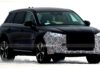
For decades, the “long-roof” station wagon has been a staple of the Mercedes-Benz lineup. From the early days of the C-Class to the present, the brand has consistently offered a “Shooting Brake” or estate version to cater to European tastes. However, that tradition is coming to an end. Mercedes has confirmed that the upcoming all-electric C-Class will be released exclusively as a sedan, marking a significant shift in the brand’s product strategy.
A Victim of Global Market Trends
The decision to scrap the wagon variant isn’t a design choice, but a response to harsh economic realities. Despite the personal preferences of designers, the global market for premium station wagons has shrunk to a point of near-unviability.
According to Mercedes designer Robert Lesnik, the decline is driven by three major regional factors:
– North America: The market has almost entirely pivoted toward SUVs, leaving little room for the niche wagon segment.
– China: Consumer preference in this massive market has not embraced the estate body style.
– Europe: While Europe is the traditional stronghold for wagons, the high cost of premium models—like the E-Class Estate—means the actual pool of buyers is shrinking.
“I say we should have station wagons, but the reality is a little bit different,” says Lesnik.
This trend highlights a broader shift in the automotive industry: as manufacturers transition to electric vehicles (EVs), the high cost of developing new platforms means they can no longer afford to build “niche” body styles that don’t guarantee high sales volumes.
The SUV Takeover
With the station wagon being phased out, Mercedes is leaning heavily into its SUV lineup to capture the “family-hauling” market. The brand intends for the electric GLC SUV to fill the void left by the disappearing C-Class estate.
This move reflects a broader industry pattern where the utility and perceived status of SUVs have effectively cannibalized the station wagon market. For many consumers, the higher seating position and rugged image of an SUV have replaced the practical, low-slung appeal of the traditional wagon.
What the Electric C-Class Offers
While enthusiasts may lament the loss of the wagon, the electric C-Class itself promises high performance and advanced technology. Targeting a launch in the US in the first half of 2027, the model is expected to compete directly with the BMW i3.
Key anticipated specifications include:
– Performance: The C 400 4Matic is expected to feature dual electric motors producing 482 hp, capable of reaching 0-60 mph in just 3.9 seconds.
– Range & Charging: A 94 kWh battery could provide up to 473 miles (WLTP) of range, with ultra-fast charging capabilities allowing for 202 miles of range in just 10 minutes.
– Technology: The interior will likely feature the massive 39.1-inch MBUX Hyperscreen and premium amenities like a panoramic roof with illuminated star lighting.
The expected starting price is estimated to fall between $55,000 and $60,000, positioning it as a premium entry into the electric luxury segment.
Conclusion
The disappearance of the C-Class estate signals the end of an era for Mercedes-Benz, driven by a global consumer preference for SUVs over wagons. While the electric C-Class promises cutting-edge performance, its identity will now be defined strictly by the sedan silhouette.