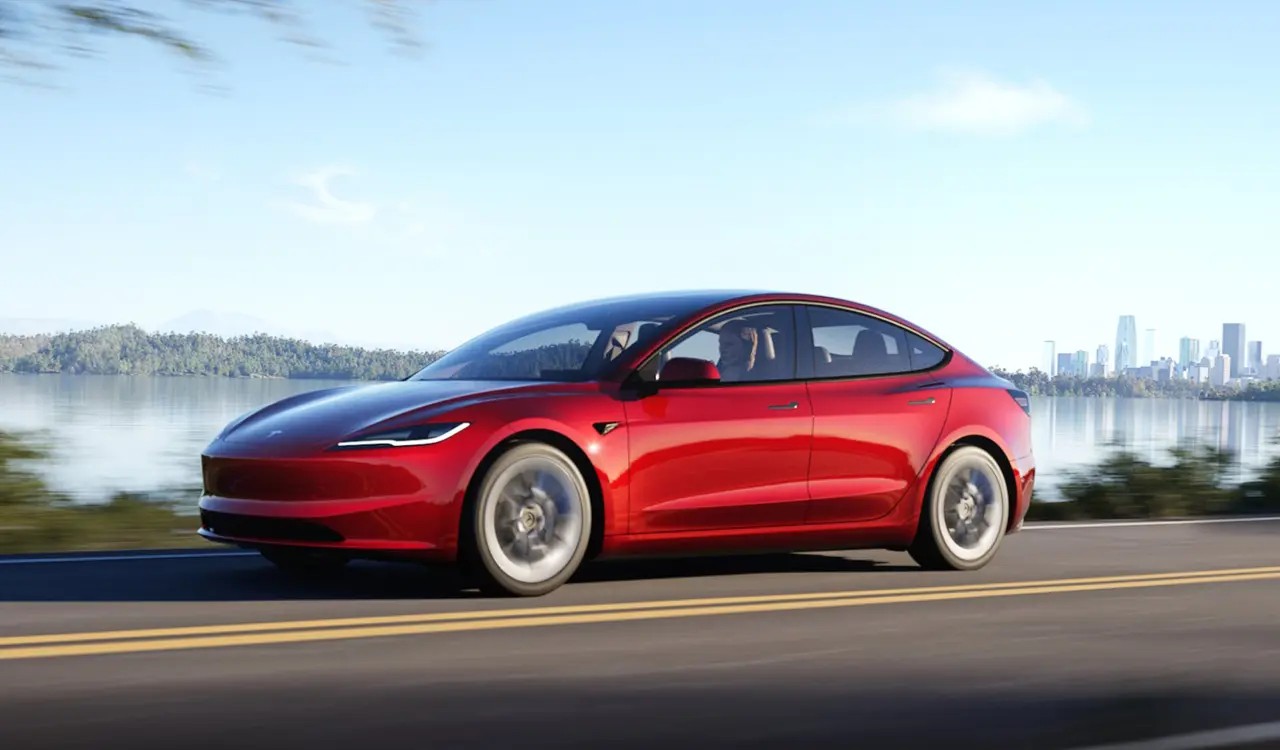
Former CEO Thierry Mariani had a vision. He wants to turn the short-term rental group, Autogrill, towards an electric future. This strategy was bold on paper but disastrous in execution. He ordered 100,000 Tesla Model 3s for his fleet. The goal is to make electric cars the default choice for car rental.
The group is currently experiencing large losses. The transition didn’t just stall. It crashed.
Electric cars are not a modern invention. They date back to the early days of cars. Early pioneers saw the potential. The technology simply couldn’t keep up. Batteries lacked range. They were heavy. They died quickly. Combustion engines offered reliability and range that electric cars could not match at the time. The thermal engine took over almost immediately.
Decades passed before manufacturers tried again. Renault launched the R5 Electric in 1972. This is the first of its kind in France. This was followed in 1991 by the BMW E1. Pure electric city car. Both attempts ended in failure. The market wasn’t ready. The infrastructure didn’t exist. Even Renault’s later venture, the Zoe, only really became popular in the final years of its lifecycle. By then, the lesson was clear. Without the support of the ecosystem, You can’t force the electric vehicle revolution.
Marian’s mistake was a matter of timing and scale. He bet the entire short-term rental model on one platform. He assumed demand would follow supply. It didn’t. The losses are staggering. The fleet sits there. The depreciation hits hard. The charging needs in commercial rental operation are a logistical nightmare that most executives ignore until it’s too late.
This is not just a Tesla story. It’s about the gap between corporate ambitions and consumer reality. Renters want convenience. They want a car that can start at any time. They want to know if they can get to their destination without having to search for a charger in the rain. The Model 3 is a great car. But what about 100,000 of them? It’s a different beast.
The story of electric cars is changing. It is no longer a question of whether the technology works or not. The most important thing is whether the business model is sustainable. Autogrill found this out the hard way. The old guard is struggling. New players learn. The road to electrification is paved with more than just good intentions. It is full of ruthless financial information. that data is red.
Electric car rental is in trouble
In 2021, Hertz tried to force a paradigm shift in short-term rental cars. They made a big bet on electric cars by ordering 100,000 Tesla Model 3s. The logic seems reasonable. These cars are very popular. The brand is strong. However, leasing an electric car to the public is more difficult than you think.
Most of the customers are not familiar with the charging infrastructure. They don’t know how to plan a route around superchargers. A lot of people just don’t want to do it. result? The car is left unused. People come back when the battery is low. They didn’t make reservations when they needed to.
Vehicles for sale
Hertz had to pivot. 20,000 Model 3s were sold. They pulled them out of the rental pool. They replaced them with internal combustion engines. The majority of rental car users still want a gas car. they know better. They are easy.
This movement is not free. Its price is high. Hertz took a hit on the resale value of those Teslas. They bought at the height of the electric car hype. They are withdrawing money now at a loss. Returning to working strategies became expensive.
Financial loss
The numbers don’t lie. Hertz’s turnover decreased by 3% in the second quarter of 2024. This is a direct result of the changes in the fleet. This also reflects weak demand. But the bigger problem is the conclusion.
The company’s net loss is currently 440 million dollars. That’s a massive bleed. The question arises whether this course correction is enough. Can they stabilize the business? Will the switch back to gas pay off? The market decides. For now, the trial is over and the bills are due.