The sports car market in 2026 is at a crossroads. Demand for affordable, raw-feeling performance cars is shrinking, yet some manufacturers still prioritize driving pleasure over outright lap times. These aren’t the fastest machines on the road, but they offer a rare connection between driver and machine – something increasingly lost in the age of electric hypercars and AI-assisted driving.
This list focuses on models where balance, feedback, and engagement matter more than brutal acceleration. The cars are ranked by 0-60 MPH time, from the slowest to the quickest, but remember: numbers don’t tell the whole story.
The Purist’s Choice: Mazda MX-5 (7.2 Seconds)
The 2026 Mazda MX-5 Miata continues its reign as the world’s best-selling roadster for a reason. It embodies the Jinba Ittai philosophy – a feeling of oneness between horse and rider, here translated to driver and car. At just 2,450 pounds with a perfect 50:50 weight distribution, it’s a reminder that less can be more. The 181-horsepower 2.0-liter engine delivers enough power to be fun without being intimidating.
The Miata isn’t about speed; it’s about precision. A revised limited-slip differential and Track DSC mode enhance grip and control, making it the benchmark for driver-centric minimalism. If you want practicality, look elsewhere; this is pure, unadulterated driving enjoyment.
Rivals: Toyota GR86, Honda Prelude, Mini Cooper S Convertible.
The Practical Performer: Honda Civic Si (7.0 Seconds)
The 2026 Honda Civic Si is the most sensible option on this list. It proves that performance doesn’t have to come at the expense of practicality. With 200 horsepower from its 1.5-liter turbocharged engine and a six-speed manual transmission (with rev-matching!), it’s a rewarding daily driver.
The Si’s sharp handling comes from a helical limited-slip differential and chassis bracing, offering a precise, analog experience without sacrificing four-door utility. It gets 31 MPG combined, making it a sensible choice for those who want fun without compromise.
Rivals: Volkswagen Jetta GLI, Hyundai Elantra N, Kia K5 GT.
The Boxer’s Balance: Subaru BRZ (6.6 Seconds)
The 2026 Subaru BRZ shares its platform with the Toyota GR86 but offers a slightly different flavor. The 228-horsepower 2.4-liter Boxer engine delivers power to the rear wheels via a six-speed manual. STI-tuned dampers and a Torsen limited-slip differential elevate handling to another level.
The BRZ’s softer rear springs and unique front aluminum knuckle provide more front-end grip, making it a masterclass in precision and mechanical feedback. This is a car for those who appreciate a balanced chassis and a direct connection to the road.
Rivals: Toyota GR86, Honda Prelude, Ford Mustang EcoBoost.
The Hybrid Surprise: Honda Prelude (6.2 Seconds)
The 2026 Honda Prelude initially disappointed purists with its hybrid drivetrain, but it delivers a unique blend of heritage and electrification. The 200-horsepower 2.0-liter four-cylinder hybrid powertrain offers instant torque and superior fuel efficiency (44 MPG combined).
Borrowed hardware from the Civic Type R, including Brembo brakes and advanced suspension, ensures sharp handling. The new S+ Shift system simulates manual gear changes, maintaining driving engagement. It’s a refined, tech-forward alternative for those who want eco-consciousness with a sporty edge.
Rivals: Toyota GR86, Mazda MX-5, Subaru BRZ.
The Last of the Analog: Toyota GR86 (6.1 Seconds)
The 2026 Toyota GR86 continues the tradition of lightweight, driver-focused sports cars. Its 228-horsepower 2.4-liter Boxer engine and six-speed manual transmission provide an engaging experience. A low center of gravity and approachable handling make every drive a visceral connection to the mechanics.
The standard Torsen limited-slip differential and optional SACHS dampers sharpen performance. The GR86 prioritizes mechanical connection over raw numbers, making it a true enthusiast’s car.
Rivals: Subaru BRZ, Honda Prelude, Mazda MX-5.
The Sleeper Sedan: Volkswagen Jetta GLI (6.1 Seconds)
The 2026 Volkswagen Jetta GLI is a 42-year legacy model that provides more rear legroom and trunk space than the GTI. Under the hood remains the 2.0-liter turbocharged EA888 engine, producing 228 horsepower and 258 pound-feet of torque, driving the front wheels via an engaging six-speed manual transmission.
Volkswagen optimizes the Jetta GLI’s performance via a standard VAQ electronically controlled limited-slip differential that pulls the car through corners, while standard Dynamic Chassis Control adaptive dampers. Many consider this to be the grown-up alternative to the Honda Civic Si, making it an ideal choice for enthusiasts who prioritize a sleeper aesthetic and high-speed highway stability over a boy-racer presence.
Rivals: Toyota GR Corolla, Hyundai Elantra N, Subaru WRX.
The Original Hot Hatch: Volkswagen Golf GTI (5.6 Seconds)
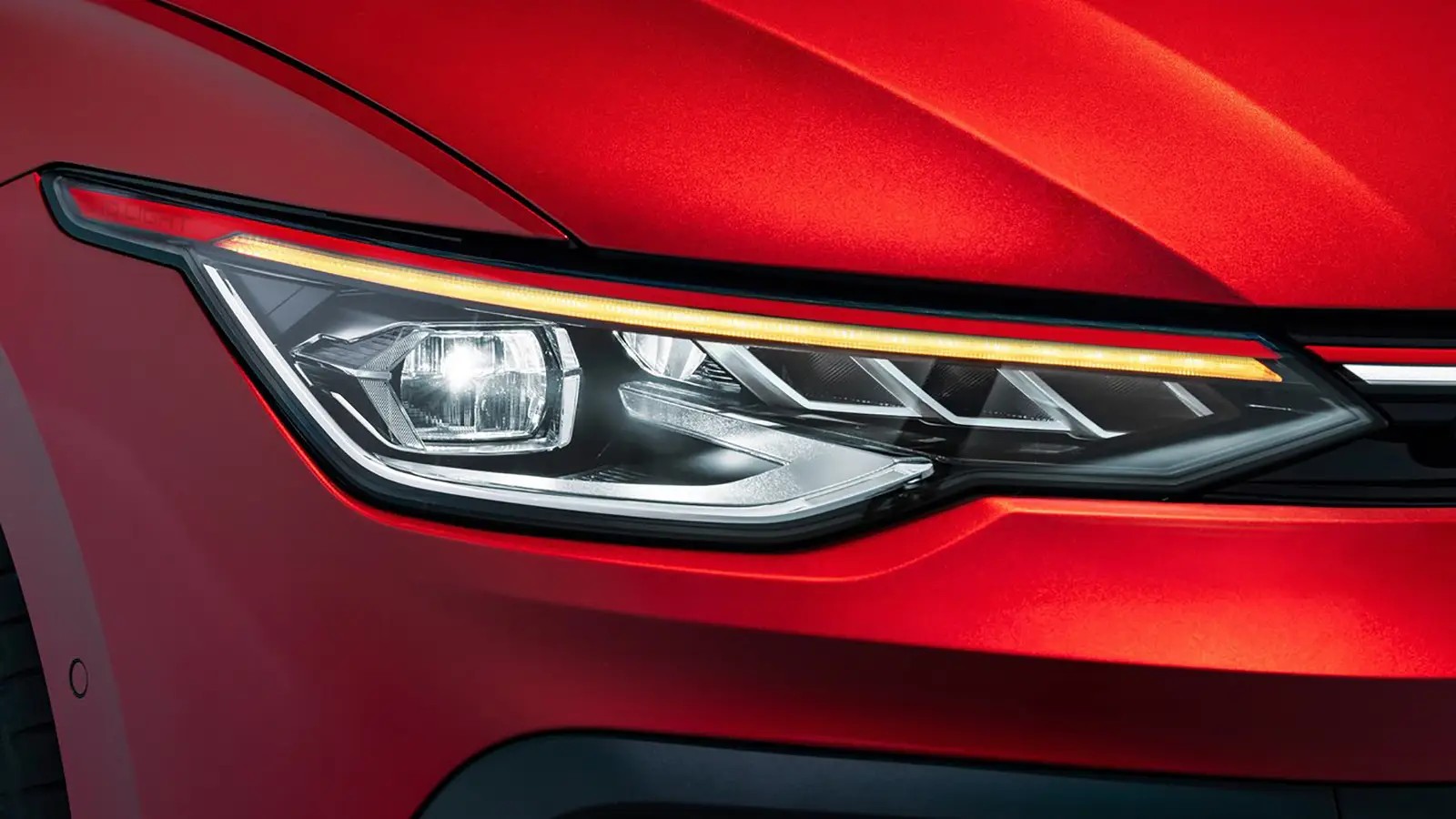
The 2026 Volkswagen Golf GTI has been around for the last five decades, making it the original hot hatch and fittingly one of the last ones standing. The 2026 model year forms part of the refreshed 8.5 lifecycle, but it keeps the brand’s widely adopted 2.0-liter turbocharged EA888 engine and seven-speed dual-clutch automatic transmission, producing 241 horsepower and 273 pound-feet of torque.
The 2026 Volkswagen Golf GTI also features a VAQ electronically controlled limited-slip differential and available DCC adaptive dampers, which allow you to toggle between softer and track-ready stiffness. The Golf GTI is a true all-rounder hatchback that remains the definitive benchmark for those who refuse to choose between a dedicated sports car and a functional family vehicle.
Rivals: Toyota GR Corolla, Honda Civic Type R, Hyundai Elantra N.
The Rally-Bred Sedan: Subaru WRX (5.6 Seconds)
The 2026 Subaru WRX maintains the brand’s rally-bred and all-weather performance heritage. Powering this compact sedan is a 2.4-liter turbocharged Boxer engine producing 271 horsepower and 258 pound-feet of torque. Power is sent to all four wheels via Subaru’s signature Symmetrical All-Wheel Drive with Active Torque Vectoring.
For 2026, Subaru introduces track-focused tS and Series.Yellow editions, featuring STI-tuned adaptive dampers and six-piston Brembo brakes to the manual-transmission flagship. The WRX remains an undisputed king of traction that’s perfect for poor-weather capability and raw displacement. Its softer approach also makes it a civilized daily driver and the definitive choice if you need year-round performance without sacrificing four-door practicality.
Rivals: Hyundai Elantra N, Volkswagen Jetta GLI, Toyota GR Corolla.
The Track-Focused Sedan: Hyundai Elantra N (4.8 Seconds)
The 2026 Hyundai Elantra N prioritizes track times but remains an engaging driver’s car. Its turbocharged 2.0-liter four-cylinder engine produces 276 horsepower and 289 pound-feet of torque, with an optional N Grin Shift boosting output to 286 horsepower temporarily.
The Elantra N utilizes WRC-inspired Integrated Drive Axles and an electronic limited-slip differential for optimal handling. Its aggressive exhaust and harder-edged suspension deliver a visceral experience.
Rivals: Subaru WRX, Toyota GR Corolla, Volkswagen Jetta GLI.
The Pony Car Evolution: Ford Mustang EcoBoost (4.5 Seconds)
The 2026 Ford Mustang EcoBoost represents a modern evolution of the pony car. It carries on the spirit of the older SVO, introducing a lighter and more balanced alternative to heavier V-8 counterparts. The 2026 EcoBoost maintains its role as the accessible gateway to American performance, sourcing power from a 2.3-liter turbocharged four-cylinder engine delivering 315 horsepower and 350 pound-feet of torque, mated exclusively to a 10-speed automatic transmission.
The 2026 Ford Mustang EcoBoost with the optional Performance Pack adds Brembo six-piston front brakes, a Torsen limited-slip differential, and the innovative Electronic Drift Brake, which uses hydraulic pressure to simulate a traditional handbrake for controlled rear-end rotation. Despite featuring a downsized engine, it will still cover a zero to 60 MPH acceleration sprint in 4.5 seconds.
Rivals: Toyota GR86, Subaru BRZ, Honda Prelude.
These cars represent a dying breed: machines designed for connection, not just speed. In a world obsessed with numbers, they remind us that the best drives are measured in smiles, not seconds.